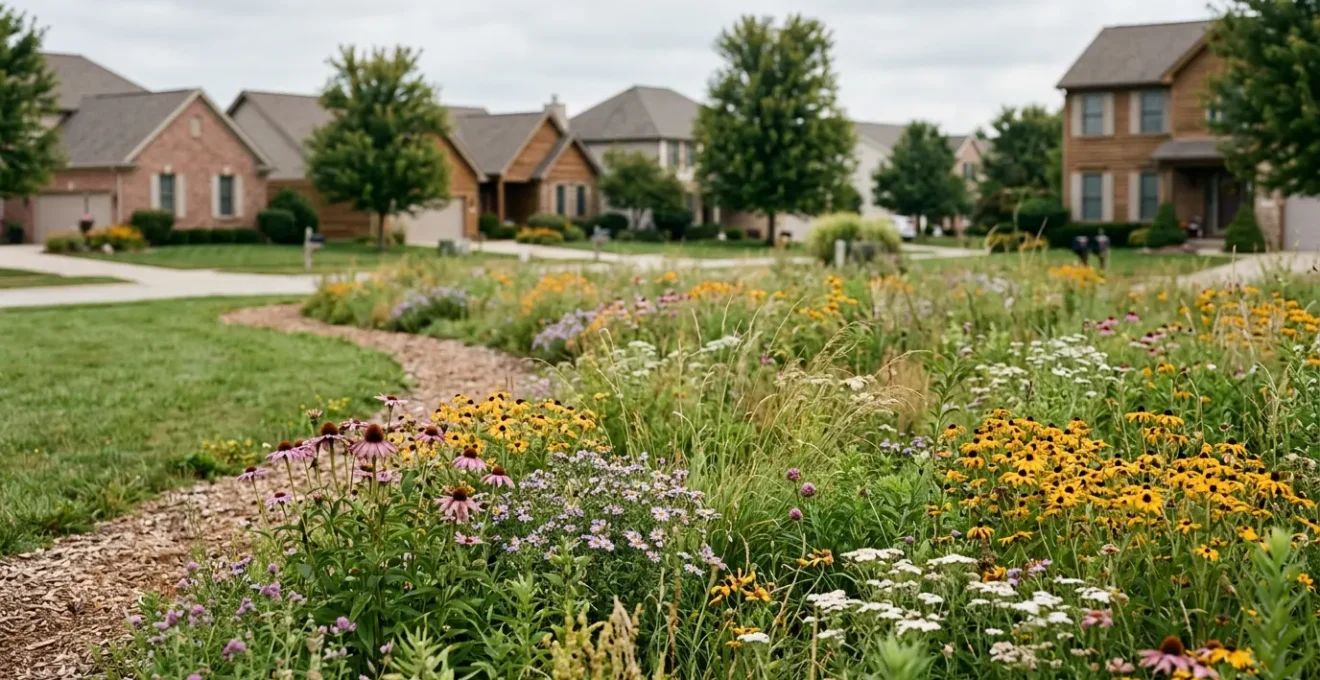
Rewilding your yard isn’t about letting it go; it’s about making nature look intentional to satisfy HOA rules while creating a powerful, resilient ecosystem.
- Master « ecological camouflage » by using native plants in structured designs and maintaining clear « cues of care » like mowed edges.
- Implement high-impact features like rain gardens and compost piles correctly to manage water, enrich soil, and avoid common pitfalls like methane production.
Recommendation: Start with one tangible project, like removing a single invasive species or building a small rain garden, to see immediate ecological benefits that fly under the radar.
You look at your perfectly manicured, sterile green lawn and feel a pang of ecological guilt. You want to help the bees, support local wildlife, and do your part for the planet, right in your own backyard. But then you picture the letter from your Homeowners Association, the side-eye from your neighbors, and the potential for a hefty fine for letting your property look « unkept. » The common advice to « just stop mowing » or « let it all grow wild » is not only impractical but a direct path to conflict. It’s a frustrating paradox: a desire to do good, handcuffed by aesthetic regulations.
Most guides on rewilding overlook this crucial conflict. They talk about wildflower meadows as if everyone has an acre to spare and no rules to follow. But what if the answer isn’t total rebellion, but strategic subversion? What if you could build a vibrant, buzzing, life-sustaining ecosystem that not only complies with local ordinances but is so beautiful and intentional that it earns praise instead of penalties? This is the art of ecological camouflage: using the principles of landscape design to make biodiversity look deliberate.
This article moves beyond the platitudes. We will not tell you to just let things go. Instead, we’ll explore a series of powerful, tangible actions you can take to rewild your personal space—from the soil under your feet to the air inside your home. We’ll cover how to remove hidden threats, build functional habitats, and manage your resources wisely. Ultimately, you’ll learn how to turn your yard into a hands-on, positive answer to the overwhelming question of climate change, all while keeping the peace with your community.
To guide you through these practical and strategic actions, this article is structured to tackle key areas where you can make a significant, direct impact. Explore the topics below to build your toolkit for smart, effective, and legally sound rewilding.
Summary: How to Rewild Your Lawn to Support Local Biodiversity Without Getting Fined?
- Why That « Pretty » Vine in Your Garden Might Be Killing Local Trees?
- How to Build a Rain Garden That Prevents Flooding and Saves Water?
- Beach Cleanup vs River Trap: Which Method Removes More Microplastics?
- The Composting Mistake That Turns Your Pile into a Methane Factory
- When to Plant Pollinator Flowers to Save Bees in Early Spring?
- How to Identify and Seal Window Drafts for Less Than $20?
- How to Reduce Viral Load in Your Home Using Ventilation and Plants?
- How to Talk to Your Children About Climate Change Without Terrifying Them?
Why That « Pretty » Vine in Your Garden Might Be Killing Local Trees?
The first act of rebellion in rewilding isn’t planting something new; it’s strategically removing what doesn’t belong. Many homeowners cherish fast-growing vines like English Ivy for their lush, romantic look, unaware that they are often ecological assassins. These invasive species are not just passive greenery; they are aggressive competitors that actively harm your local ecosystem. By climbing trees, they block sunlight from reaching the leaves, effectively starving the tree of the energy it needs to survive. Their weight can make trees vulnerable to collapse during storms, and they trap moisture against the bark, promoting rot and disease.
The scale of this problem is staggering and often invisible until it’s too late. It’s a silent crisis unfolding in suburban backyards. For instance, a 2021 survey in Maryland revealed that nearly 5,000 trees in Takoma Park are at risk of dying within the next five to seven years due to invasive vines. Removing these plants is a direct and powerful act of conservation, freeing your native trees to thrive and support the local food web. This isn’t just weeding; it’s ecological triage.
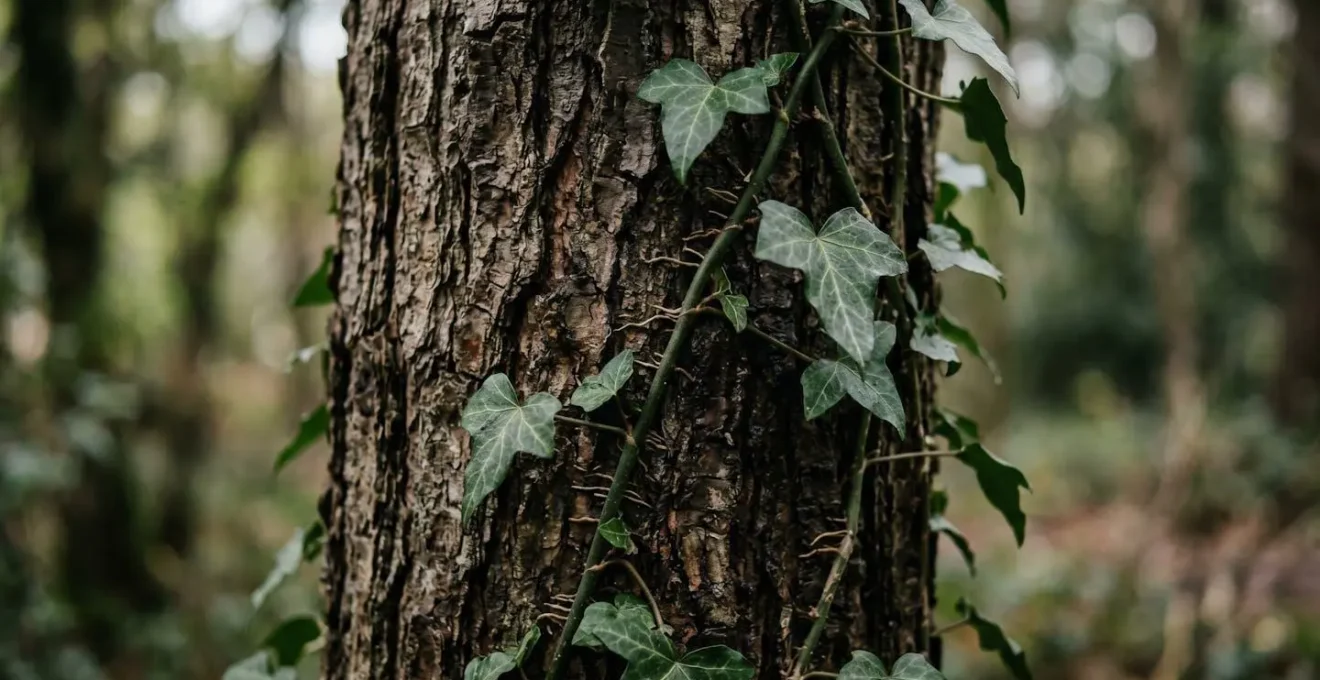
As this image shows, the damage is physical and relentless. True rewilding means making conscious choices. By identifying and removing these invasive stranglers, you are defending your local biodiversity and creating space for native species that genuinely belong. Replacing them with native, non-aggressive climbers like Virginia Creeper (Parthenocissus quinquefolia) can provide similar aesthetic appeal without the destructive consequences. This simple switch is a foundational step in creating a healthy, self-sustaining yard.
How to Build a Rain Garden That Prevents Flooding and Saves Water?
One of the most powerful tools in your ecological camouflage toolkit is the rain garden. This isn’t a pond or a swamp; it’s a strategically designed garden bed that solves multiple problems at once while looking like a high-end landscaping feature. Instead of letting valuable rainwater rush off your roof and driveway into storm drains—carrying pollutants with it—a rain garden captures, holds, and slowly filters that water back into the ground. This process reduces local flooding, recharges groundwater, and creates a resilient, drought-tolerant micro-habitat.
The science behind it is simple but effective. By using deep-rooted native plants in a shallow depression, you create a system that can absorb massive amounts of water. In fact, research demonstrates that well-designed rain gardens can achieve approximately 30% more water infiltration than conventional neighborhood lawns. For you, this means a less soggy yard, healthier soil, and a lower water bill, as these native plants will require little to no irrigation once established. From an HOA perspective, a beautifully designed rain garden filled with flowering perennials is a deliberate « cue of care, » not a sign of neglect.
The real-world impact is transformative. Consider the case of a North Side Chicago homeowner whose yard was plagued by chronic flooding, making it unusable. As detailed in a case study by Redstem Landscapes, the solution was a series of strategically placed rain gardens. Using native species like Red Chokeberry and Ohio Goldenrod, the gardens now absorb excess runoff during storms, draining within a day. This « high-function patch » not only solved the flooding but created a thriving space where the homeowner now grows vegetables and supports local pollinators. It’s a perfect example of legislative aikido—using an officially encouraged practice (stormwater management) to achieve profound rewilding goals.
Beach Cleanup vs River Trap: Which Method Removes More Microplastics?
Expanding our view of « local ecosystem » beyond our fenceline forces us to think about pollution sources. We’ve all seen images of beach cleanups, a noble and necessary activity. But when it comes to the pervasive issue of microplastics, are we just treating the symptom? The battle against plastic pollution highlights a critical ecological concept: upstream versus downstream intervention. While cleaning a beach (downstream) is valuable, stopping plastic from reaching the ocean in the first place (upstream) can be exponentially more effective.
River traps, like Baltimore’s famous Mr. Trash Wheel, are a prime example of upstream action. By capturing waste in rivers, they prevent it from breaking down into countless microplastics in the harbor and ocean. Even better, they provide invaluable data. When data from Mr. Trash Wheel showed a high volume of foam containers, activists used this evidence to help pass a city-wide ban. The following year, foam trash in the harbor dropped by over 80%. This shows how cleanup data can directly inform policy for systemic change, a far greater impact than a single cleanup event.
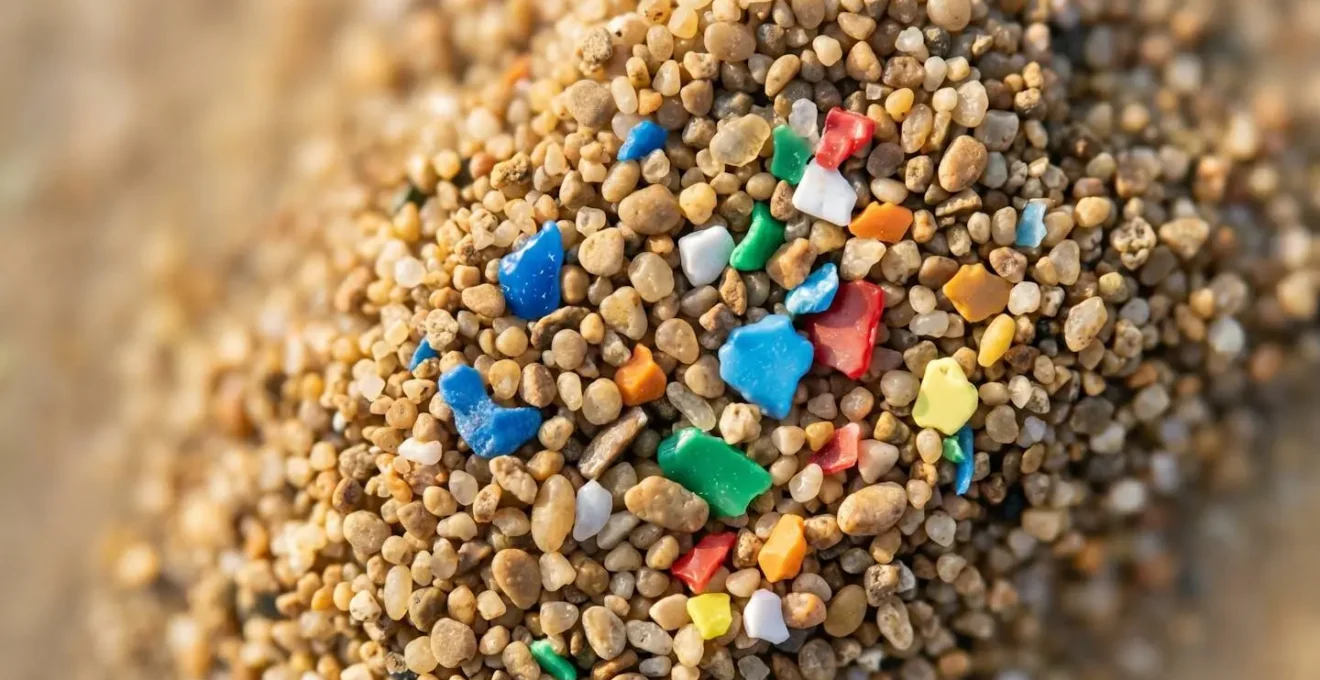
However, this doesn’t render downstream efforts useless. For existing pollution, they are critical. Astonishingly, groundbreaking research by Norce in a Norwegian study found that systematic beach cleaning led to a 99.5% reduction in microplastics on those beaches within just one year. This proves that dedicated removal efforts can restore polluted environments. The lesson for the home rewilder is clear: our personal actions, like reducing plastic use (upstream) and participating in local cleanups (downstream), are both vital parts of the same fight.
The Composting Mistake That Turns Your Pile into a Methane Factory
Composting is a cornerstone of rewilding. It diverts waste from landfills, reduces your carbon footprint, and creates nutrient-rich soil for your garden, all for free. It’s a virtuous cycle right in your backyard. However, there’s a common and critical mistake that can turn your well-intentioned compost pile from an environmental asset into a miniature climate villain. The culprit? Lack of oxygen.
When a compost pile becomes too dense, wet, or is filled with the wrong materials, it goes « anaerobic. » Instead of beneficial aerobic bacteria breaking down waste into healthy humus, anaerobic microbes take over. Their digestive process releases methane, a potent greenhouse gas. While CO2 gets most of the attention, scientific measurements confirm that methane has a global warming potential 28-36 times larger than CO2 over a 100-year period. Your soggy, stinky compost pile could be doing more harm than good. The key is ensuring your pile can breathe.
Fortunately, maintaining an aerobic compost system is simple with the right knowledge and technique. It’s about managing the balance of materials, moisture, and airflow. Following a clear set of rules ensures that you are sequestering carbon in healthy soil, not releasing methane into the atmosphere. This is another example where a little bit of ecological knowledge transforms a potentially negative outcome into a profoundly positive one.
Action Plan: Maintain an Aerobic Compost Pile
- Get the Right Size: Ensure your bin is at least a cubic yard (3ft x 3ft x 3ft) to build and retain the heat necessary for efficient aerobic decomposition.
- Layer Correctly: Alternate « browns » (carbon-rich materials like dry leaves, cardboard, sawdust) and « greens » (nitrogen-rich materials like food scraps, grass clippings) in a rough 3:1 brown-to-green ratio.
- Turn It Over: Use a pitchfork or compost aerator to turn your pile every 7-10 days. This is the most crucial step to re-introduce oxygen for the aerobic microbes.
- Manage Moisture: Your compost should feel like a wrung-out sponge. It needs water to function, but if it’s waterlogged, it will go anaerobic. Add dry browns if it’s too wet, or spray with water if it’s too dry.
- Avoid the Wrong Stuff: Never add dairy, meat, bones, oils, or pet waste. These materials create foul odors, attract pests, and promote anaerobic conditions.
When to Plant Pollinator Flowers to Save Bees in Early Spring?
As a budding rewilder, one of your first instincts is to help the bees. The question that immediately comes to mind is, « What flowers should I plant, and when? » Planting early-blooming native species like crocuses, pussy willows, and maples is indeed crucial, as they provide a vital first food source for emerging queen bumblebees and other pollinators. This is a good first step, but focusing only on flowers misses the most critical part of the equation.
The rebellious truth, backed by science, is that for a huge portion of our native bee population, shelter is more important than food. We are conditioned to think of honeybee hives, but this is an agricultural import. The vast majority of our local bees are wild, native, and solitary. This is where a truly revolutionary act of rewilding comes in, as it challenges our obsession with neatness.
70% of native bees are solitary ground-nesters requiring bare earth patches, sand pits, and pithy-stemmed plant clusters—habitats more critical than any flower for their survival.
– Native pollinator ecology research consensus, Pollinator habitat requirements for ground-nesting bees
This insight changes everything. The most powerful thing you can do for most bees is to leave a small, sunny, undisturbed patch of bare dirt. Let a corner of your yard be a little « messy. » Leave the hollow stems of last year’s perennials (like bee balm or Joe-Pye weed) standing through the winter and into the spring. These provide nesting cavities for stem-nesting bees. This form of « benign neglect » is a radical act of habitat creation that costs nothing and has an outsized ecological benefit. So, yes, plant the early spring flowers. But for a truly subversive and effective pollinator garden, provide the home first.
How to Identify and Seal Window Drafts for Less Than $20?
Your home’s ecosystem doesn’t stop at the front door. The energy your house consumes is a major part of your personal environmental footprint. One of the biggest and most easily fixed sources of energy waste is air leaks, particularly around windows. Sealing these drafts is a simple, low-cost action with a surprisingly high return on investment, both for your wallet and the planet. A drafty window forces your heating and cooling systems to work overtime, burning excess fossil fuels and driving up your utility bills.
Finding these leaks is the first step, and you don’t need expensive equipment. You can perform a simple « incense test »: on a windy day, carefully light a stick of incense and hold it near the edges of your windows and doors. If the smoke wavers, blows sideways, or is sucked out, you have a leak. Another method is the « wet hand test, » where you simply run a damp hand around the window frame; you will feel the cool air from any drafts.
Once identified, sealing these gaps is a cheap and satisfying DIY project. For less than $20, you can purchase all the materials you need.
- Weatherstripping: Self-adhesive foam or rubber tape is perfect for sealing the moving parts of a window, creating a tight seal when it’s closed.
- Caulk: For stationary gaps and cracks between the window frame and the wall, a line of exterior-grade caulk is a permanent and effective solution.
- Window Insulation Film: In colder climates, applying this clear film to the inside of your window frame creates an insulating air pocket that significantly reduces heat loss. It’s like a temporary double-pane window.
These small actions make your home more comfortable, reduce your energy consumption, and are a tangible contribution to a more sustainable household. It is rewilding applied to your indoor habitat.
How to Reduce Viral Load in Your Home Using Ventilation and Plants?
Creating a resilient home ecosystem also means managing the quality of the air you breathe. In the wake of a global pandemic, we’ve all become more aware of airborne pathogens. While no single solution offers perfect protection, a two-pronged approach of smart ventilation and the strategic use of houseplants can help reduce the concentration of airborne contaminants, including viruses and other pollutants, inside your home.
Ventilation is your first and most powerful line of defense. The principle is simple: dilution is the solution to pollution. By bringing in fresh outdoor air, you dilute the concentration of any contaminants, including viral particles, that may be present indoors. The easiest method is to simply open windows on opposite sides of the house to create a cross-breeze. For more targeted ventilation, you can use a window fan to actively pull stale air out of a room. This is far more effective than just blowing air around with a standard fan. During high-risk seasons, investing in a portable air purifier with a HEPA filter is a proven way to capture fine particles, including viruses.
Houseplants can play a supporting role. While their ability to filter viruses from the air is minimal, they are superstars at removing other common indoor air pollutants called Volatile Organic Compounds (VOCs), which are emitted by furniture, paint, and cleaning products. Famous NASA studies have shown that plants like Snake Plants (Sansevieria), Spider Plants (Chlorophytum comosum), and Peace Lilies (Spathiphyllum) are excellent at absorbing chemicals like formaldehyde and benzene. Furthermore, through transpiration, plants release water vapor, which can help maintain healthy indoor humidity levels. Dry air can allow viral particles to travel farther, so maintaining a humidity level between 40-60% is beneficial.
Key Takeaways
- Effective rewilding is not about neglect, but about strategic, intentional actions that look like deliberate design.
- Focus on high-impact « patches » like rain gardens and well-managed compost piles to solve problems and build resilient ecosystems.
- Address issues « upstream » by removing invasive species and preventing pollution at the source for a greater impact.
- Your home is an ecosystem; managing its energy efficiency and air quality is a vital part of personal ecological action.
How to Talk to Your Children About Climate Change Without Terrifying Them?
The final, and perhaps most important, piece of your rewilding journey has nothing to do with soil or plants, but with conversation. Children are increasingly aware of climate change, and the news can be overwhelming and frightening, leading to « eco-anxiety. » As a parent, it’s a difficult balance: how do you foster awareness without inducing despair? The answer lies in shifting the narrative from abstract fear to tangible, empowering action. And the best place to do that is right in your own rewilded yard.
Instead of focusing on melting ice caps thousands of miles away, focus on the life right in front of them. The solitary bee nesting in the plant stem you left standing becomes a personal friend to protect. The compost pile transforming banana peels into black gold becomes a magic trick they are a part of. The rain garden buzzing with dragonflies after a storm is a direct result of a project you built together. These small, local, tangible experiences are the perfect antidote to feelings of helplessness.
This approach transforms your entire home and yard into a living classroom and a story of hope. It provides a direct, positive response to the difficult questions they might ask. As one environmental education framework puts it, tangible action is the most powerful communication tool.
The rewilded lawn or the community compost pile becomes the hands-on answer to the child’s question, ‘What can we do?’
– Family environmental education framework, Empowering children through tangible climate action
By engaging your children in these projects, you are not just teaching them about ecology; you are teaching them agency. You are showing them that even small actions have meaningful, positive consequences. You are replacing their anxiety with a sense of purpose and demonstrating that they have the power to heal their small corner of the world. This is the ultimate goal of rewilding: not just to restore land, but to restore our connection to it and our hope for its future.
By transforming your yard and home into a series of small, positive ecological projects, you are taking direct and meaningful action. The next logical step is to choose one of these projects and begin. Start today by identifying an invasive plant or planning a small rain garden to turn these principles into practice.