In summary:
- Stop chasing fleeting trends and build a « style immune system » focused on longevity.
- Master the art of the capsule wardrobe with around 30 versatile « wardrobe builder » pieces per season.
- Learn to distinguish 5-year classics from 5-week fads by focusing on quality materials and construction.
- Use rentals for one-off special occasions and become a « quality hunter » at thrift stores to find hidden gems.
- Prioritize the « cost-per-wear » metric over the initial price tag to make smarter, more sustainable investments.
The new season arrives, and with it, a tidal wave of « must-have » trends floods your social media feeds. There’s a nagging pressure to reinvent yourself, to buy into the latest colors, cuts, and aesthetics. The common advice is to « shop your closet, » accessorize, or layer—useful tips, but they often feel like a temporary fix, not a real strategy. They don’t address the core conflict: the desire to feel current versus the exhausting, expensive, and unsustainable cycle of fast fashion.
This constant chase leaves you with a closet full of clothes but nothing to wear, a collection of fleeting items that quickly feel dated. But what if the secret to a stylish seasonal update wasn’t about acquiring more, or even about clever styling tricks? What if it was about building a « style immune system »—a strategic mindset that empowers you to identify lasting quality, maximize the potential of what you already own, and make fast fashion completely irrelevant?
This approach moves beyond simple tactics and into a philosophy of resourcefulness. It’s about becoming a curator of your own style rather than a passive consumer of trends. By shifting your perspective, you can achieve a look that feels fresh, modern, and deeply personal, all without contributing to the endless churn of the fashion industry. This is where true, sustainable style is born.
This guide will walk you through the essential principles for achieving this style transformation. We will explore how to build a powerful core wardrobe, learn to differentiate fleeting fads from timeless trends, analyze smart alternatives to buying new, and master the art of clothing care and discovery.
Summary: A Guide to Refreshing Your Style Sustainably
- Why 30 Items Are Enough for a 3-Month Season?
- How to Spot Which Trends Will Last 5 Years vs 5 Weeks?
- Rent the Runway vs Buying: Which Is Cheaper for Wedding Season?
- The « End of Season » Mistake That Clutters Your Closet with Unwearable Items
- How to Store Winter Woolens So Moths Don’t Ruin Them by Next Year?
- Why investing in « Micro-Trends » Can Bankrupt Your Inventory Strategy?
- Why Natural Fibers Last 10 Years Longer Than Synthetics?
- How to Find High-Quality Designer Pieces Hidden in a Thrift Store?
Why 30 Items Are Enough for a 3-Month Season?
The idea of limiting yourself to just 30 items for an entire season might sound restrictive, but it’s the foundational principle of a capsule wardrobe—a curated collection of versatile pieces that can be mixed and matched to create numerous outfits. This isn’t about deprivation; it’s about strategic curation. The goal is to eliminate decision fatigue and ensure everything you own is something you love and can wear in multiple ways. This shift towards minimalism and intentionality is gaining significant traction, with market research showing the global capsule wardrobe market reaching USD 3.41 billion in 2024 and projected to grow substantially.
The power of this approach lies in focusing on « wardrobe builders. » These are the high-quality, often classic pieces that form the backbone of your style: a great pair of jeans, a crisp button-down shirt, a well-made knit, a versatile blazer. They are the antithesis of disposable trend items. Data from styling services confirms this consumer shift. In its 2024 Style Forecast, Stitch Fix revealed that 88% of clients cited ‘wardrobe builders’ as the trend they were most likely to try. Requests for solid, versatile styles soared, proving that consumers are actively seeking longevity over novelty.
By building a strong foundation of these core items, you create a canvas. The seasonal « update » then comes from creative combinations, the strategic addition of one or two thoughtful pieces (perhaps thrifted or rented), or simply styling the same items in new ways. A 30-piece wardrobe isn’t a limit; it’s a framework for creativity and resourcefulness.
How to Spot Which Trends Will Last 5 Years vs 5 Weeks?
In today’s hyper-accelerated fashion landscape, it’s crucial to develop a filter—a « style immune system »—to distinguish between enduring style evolutions and fleeting micro-trends. A micro-trend is a short-lived aesthetic, often born on social media, that burns brightly and fades just as quickly. As the Fibre2Fashion Industry Analysis notes: « Unlike traditional fashion cycles that lasted for years, micro-trends—short-lived fashion movements that emerge and fade within months—now dominate, pressuring consumers to refresh their wardrobes constantly. »
Unlike traditional fashion cycles that lasted for years, micro-trends—short-lived fashion movements that emerge and fade within months—now dominate, pressuring consumers to refresh their wardrobes constantly.
– Fibre2Fashion Industry Analysis, The Psychology of Fashion Trends article
Data supports this rapid cycle; most fashion micro-trends last between 3 and 5 months, with some « -core » aesthetics disappearing in even less time. So how do you spot a keeper? The key is to look past the hype and examine the fundamentals. Lasting trends are typically rooted in classic silhouettes, quality fabrics, and functional design. They are evolutions, not revolutions. Think of the trench coat, the leather jacket, or the simple white sneaker—styles that are perpetually updated but never truly disappear. They are defined by their material integrity and timeless construction.
Instead of focusing on a specific print or an exaggerated shape, pay attention to the underlying materials. High-quality natural fibers like wool, cotton, silk, and linen have an inherent longevity that synthetic, trend-driven fabrics lack. Their texture and drape signify a commitment to craftsmanship over novelty.
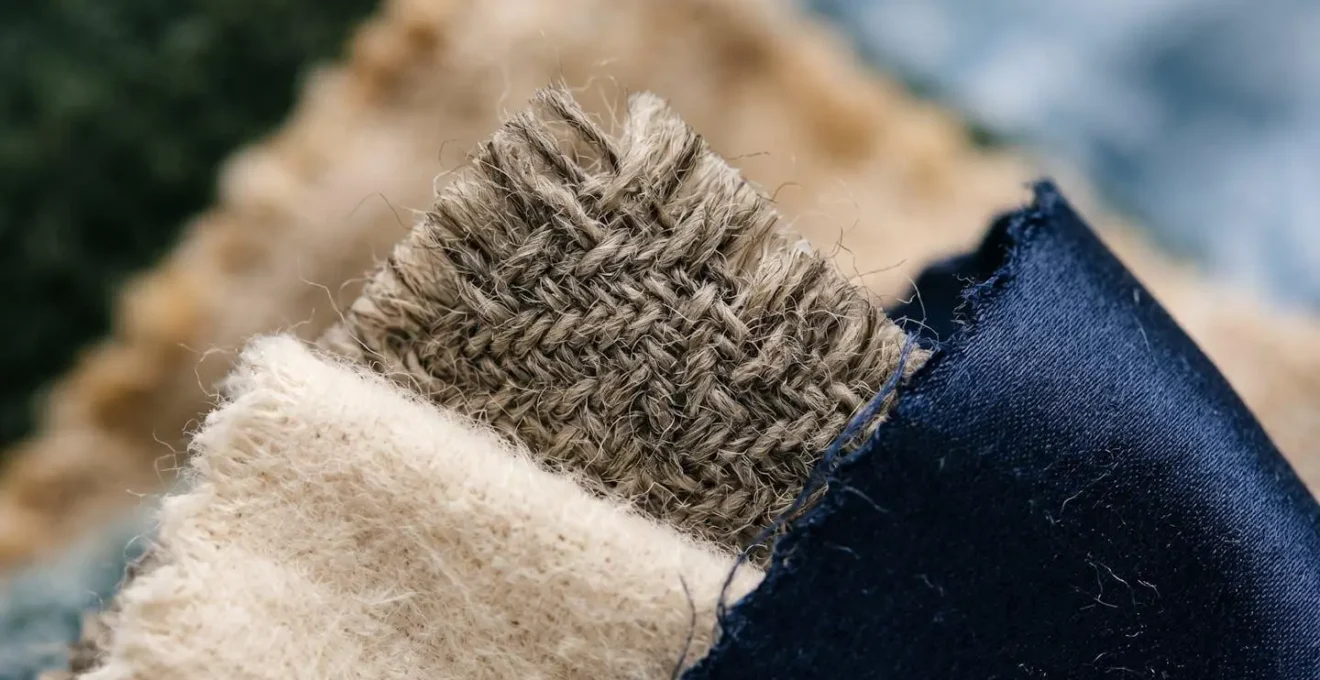
By training your eye to see quality and timelessness in the fabric itself, you begin to identify pieces that will serve you for years, not weeks. A trend built on a classic shape and a beautiful, durable material has the potential for a 5-year lifespan. A trend built on a gimmick and cheap polyester is destined for the 5-week pile.
Rent the Runway vs Buying: Which Is Cheaper for Wedding Season?
Wedding season presents a unique challenge for the conscious consumer. The pressure to wear a new, show-stopping outfit for each event is immense, but the cost—both financial and environmental—of buying multiple single-use garments is staggering. This is where clothing rental services like Rent the Runway offer a compelling and strategic alternative. While the sticker price of a rental might seem high at first, a cost-benefit analysis often proves it to be the more economical choice for infrequent, high-stakes events.
Consider the cost of a single occasion dress. For weddings, the average wedding dress cost was about $2,000 in 2023, and guest attire can easily run into the hundreds. Renting provides access to high-end designer pieces for a fraction of their retail price, allowing you to wear a spectacular outfit without the long-term commitment or financial burden. It solves the « I have nothing to wear » dilemma while preventing your closet from becoming a museum of once-worn dresses.
When you factor in hidden costs like dry cleaning, alterations, and storage, the case for renting becomes even stronger. The following table breaks down the true cost of renting versus buying for a typical wedding season involving several events.
| Factor | Renting (1-2 Events) | Buying (4+ Events) |
|---|---|---|
| Upfront Cost | $200-$1,000 per dress | $1,500-$2,000 average |
| Dry Cleaning | Often included | $15-$50 per event |
| Storage | None | Closet space + preservation ($100-$300) |
| Alterations | Limited/temporary only | Full customization ($50-$200) |
| Designer Access | 10-15% of retail price | Full retail price |
| Resale Value | N/A | 30-50% of purchase price (if resold) |
| Best For | Infrequent events, variety seekers | Multiple events, sentimental keepers |
Ultimately, the decision depends on your lifestyle. For someone attending multiple formal events per year, investing in a classic, versatile dress might make sense. But for the average person facing a packed wedding season, renting offers unbeatable variety, value, and sustainability.
The « End of Season » Mistake That Clutters Your Closet with Unwearable Items
One of the biggest traps in fashion consumption is the end-of-season sale. Lured by deep discounts, we often purchase trendy items that we wouldn’t consider at full price. The logic seems sound— »It’s 70% off! »—but this is how our closets become cluttered with « orphan » items: pieces that don’t integrate with our existing wardrobe, don’t truly fit our personal style, and ultimately go unworn. This mistake is a direct result of prioritizing a low price tag over genuine utility and style alignment.
These impulse buys are the primary fuel for a disposable fashion culture. As an Eco-Stylist industry report highlights, the lifecycle of such items is tragically short. On average, a garment is worn only 7 to 10 times before being thrown away, a figure that becomes even more drastic for short-lived micro-trends often found on sale racks. That bargain top isn’t a bargain if it’s worn twice and then spends years collecting dust before heading to a landfill.
To avoid this common pitfall, you must install a mental filter before every purchase, especially during sales. The « Rule of 3 » is a simple but powerful framework to ensure an item will be a valuable addition, not a fleeting mistake. Before you buy, ask yourself these critical questions:
- Can I pair this item with at least three pieces I already own?
- Does this item fill a genuine gap in my wardrobe, or is it an impulse buy?
- Can I wear this item in at least two different contexts (e.g., work and weekend)?
- Does this align with my long-term style vision, or is it a passing fad?
If you can’t confidently answer « yes » to most of these questions, walk away. Resisting the siren song of the sale is a core discipline of the resourceful stylist. It protects your wallet, your closet space, and your personal style integrity from the clutter of unwearable « bargains. »
How to Store Winter Woolens So Moths Don’t Ruin Them by Next Year?
As seasons change, the way you store your off-season clothing is just as important as how you wear it. Improperly storing your beautiful wool, cashmere, and merino knits can lead to heartbreaking discoveries next autumn: moth holes, misshapen silhouettes, and musty odors. Protecting these valuable, long-lasting natural fibers is a key part of the slow fashion ethos. It’s an act of stewardship for the investments you’ve made in your wardrobe.
The first and most critical rule is to clean everything before you store it. Moths and other pests are not attracted to the wool fiber itself, but to the microscopic food, skin, and sweat particles left on the garment after wear. Even if a sweater seems clean, a professional dry cleaning or a gentle hand wash according to the care label is non-negotiable. This single step removes the primary attractant for pests.
Next, choose the right storage environment. Avoid plastic bins, bags, and vacuum-sealed packs for long-term storage. Natural fibers need to breathe; trapping them in plastic can lead to moisture buildup, mildew, and yellowing of the fibers. Instead, opt for breathable cotton or linen storage bags or archival boxes. The storage location should be cool, dark, and dry. Attics and basements, which often have temperature and humidity fluctuations, are poor choices. A closet in a climate-controlled part of your home is ideal.
Finally, employ natural moth repellents. Harsh chemical mothballs are toxic and leave a persistent, unpleasant odor. Instead, use natural alternatives like cedar blocks, rings, or sachets of dried lavender and rosemary. These natural scents are pleasant to humans but effectively deter moths. Remember to gently sand your cedar blocks each season to refresh their potent oils. And a final pro tip: always fold your knits; never hang them. Hanging heavy sweaters will stretch the shoulders and distort their shape over time.
Why investing in « Micro-Trends » Can Bankrupt Your Inventory Strategy?
From a purely financial perspective, building a wardrobe based on cheap, fleeting micro-trends is a losing strategy. The initial low price creates an illusion of savings, but the true cost of a garment is not its price tag—it’s the cost-per-wear. This simple metric reveals the long-term value of your clothing investments and is the most powerful weapon in your arsenal against the false economy of fast fashion.
Styling experts have long championed this calculation. As they explain, a capsule wardrobe is about maximizing the cost-per-wear. A classic, well-made blazer that costs $300 but is worn 100 times has a cost-per-wear of just $3. In contrast, a trendy $50 top that succumbs to a 5-week trend cycle and is worn only twice before being discarded has a staggering cost-per-wear of $25. The « cheaper » item is, in reality, more than eight times more expensive in terms of value.
This economic reality is often masked by the short-term satisfaction of a new purchase—a « dopamine hit » of novelty. Fast fashion is engineered to provide this quick fix, but it offers no lasting value. It’s a cycle of temporary gratification followed by buyer’s remorse when the item quickly pills, fades, or falls out of style.
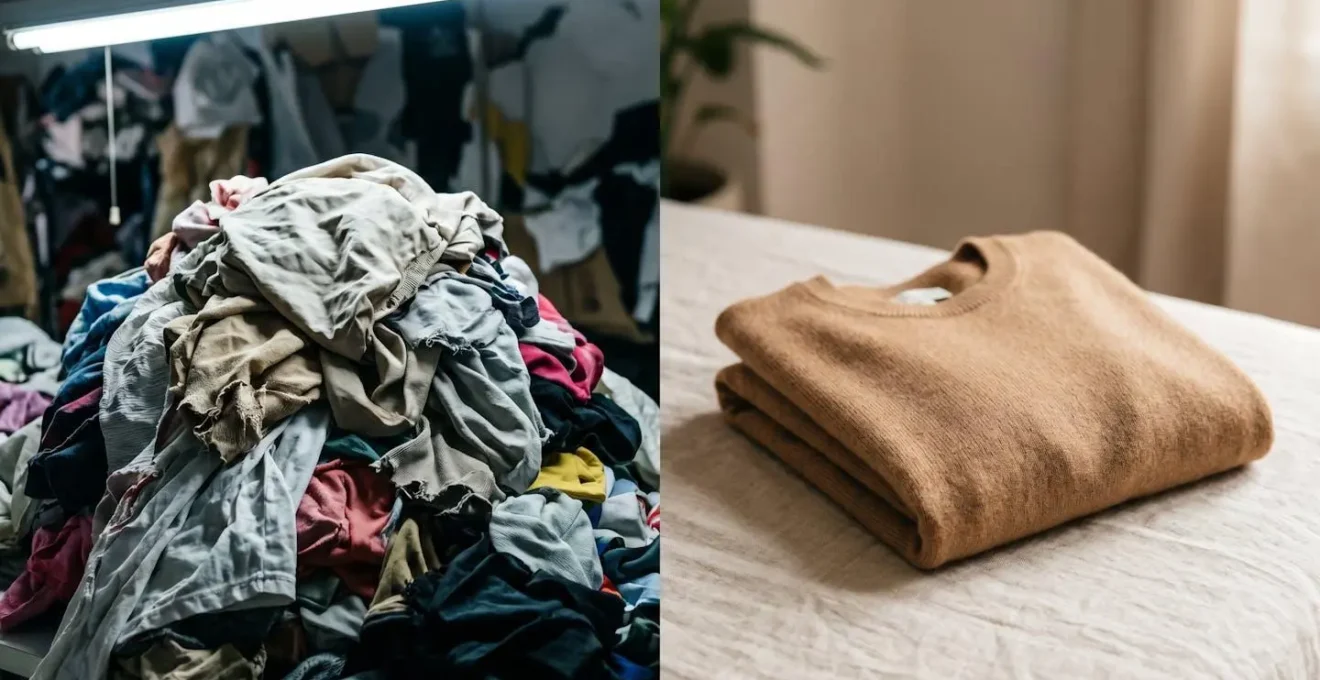
Investing in quality, timeless pieces is an investment in your financial well-being and personal style. These « wardrobe builders » may have a higher upfront cost, but their durability, versatility, and enduring appeal result in a dramatically lower cost-per-wear over their lifespan. Shifting your mindset from hunting for bargains to investing in value is the most profound update you can make to your style.
Why Natural Fibers Last 10 Years Longer Than Synthetics?
The longevity of a garment is woven directly into its fibers. While synthetic materials like polyester, nylon, and acrylic often form the basis of fast fashion due to their low cost, they simply cannot compete with the durability and graceful aging of natural fibers. Materials derived from plants (cotton, linen) and animals (wool, silk, cashmere) possess an inherent structural integrity that allows them to last for a decade or more with proper care, while their synthetic counterparts often degrade within a few years.
The science lies in the fiber structure itself. As a Masterclass analysis on the topic explains, the durability of natural fibers stems from the complex cellulose in plant-based materials and the robust protein structures in animal-based fibers. This gives them a resilience that synthetics lack. More importantly, natural fibers exhibit what is known as « graceful aging. » Linen softens with every wash, leather develops a beautiful patina, and good wool maintains its shape. They evolve with you. In contrast, synthetics are prone to pilling, losing their shape when exposed to heat (like in a dryer), and breaking down through yellowing and stretching.
This « graceful aging » is a core concept in slow fashion. A garment made from natural fibers is an active participant in your wardrobe’s evolution. It can be dyed, mended, and altered with ease, allowing it to adapt to your changing style. Synthetics, on the other hand, are often difficult or impossible to repair or modify, reinforcing their status as disposable items. Furthermore, natural fibers offer superior comfort and breathability. They absorb moisture, making them comfortable in various climates, a quality synthetics can’t replicate. Choosing natural fibers is not just an aesthetic choice; it’s a strategic decision for durability, comfort, and long-term value.
Key Takeaways
- Adopt a « Cost-Per-Wear » Mindset: The true value of a garment is not its price tag, but how many times you can wear it. Invest in quality that lasts.
- Become a Material Expert: Learn to identify natural fibers like wool, silk, and quality cotton by touch. Material quality is the number one indicator of longevity.
- Embrace the « Rule of 3 »: Before buying anything, ensure it pairs with at least three items you already own, can be worn in two different contexts, and aligns with your long-term style.
How to Find High-Quality Designer Pieces Hidden in a Thrift Store?
Thrift stores are not graveyards for unwanted clothes; they are treasure troves for the discerning « quality hunter. » With industry data revealing that 87% of fashion purchased ends up in a landfill, thrifting is a powerful act of style rebellion. It’s where you can find high-quality, often designer-made garments with years of life left in them, for a fraction of their original cost. The key is to ignore the chaos of the racks and develop a tactical approach focused on identifying the markers of superior craftsmanship.
Success in thrifting requires you to shop with your hands as much as your eyes. A high-quality garment feels different. The substantial weight of pure wool, the smooth coolness of silk, or the dense weave of high-quality cotton are unmistakable. You must learn to bypass the flimsy feel of cheap polyester and train your senses to detect quality. This tactile approach allows you to quickly scan racks and zero in on pieces with potential before you even look at the size or style.
Once a garment’s fabric has caught your attention, it’s time to play detective. Examine the construction details: are the seams finished cleanly (like a French seam), or are they simple and exposed? Are the buttons made of plastic, or a higher-quality material like horn or mother-of-pearl? Does the lining feel breathable, or is it a cheap, static-prone synthetic? These small details are the tell-tale signs of a well-made piece that was built to last. Mastering this skill transforms thrifting from a game of chance into a strategic hunt for enduring style.
Your Action Plan: The Quality Hunter’s Thrifting Checklist
- Feel First, Look Later: Scan racks with your hands, searching for the unmistakable feel of silk, cashmere, merino wool, or heavy-duty cotton. Let texture guide you.
- Examine the Seams: Look for advanced construction like French seams (where raw edges are enclosed) or flat-felled seams, which indicate higher quality and durability than basic overlocked edges.
- Check Lining and Pockets: Assess the quality of the lining. Is it a breathable material like bemberg or silk, or is it cheap polyester? Quality garments invest in quality interiors.
- Inspect Buttons and Hardware: Identify buttons made from horn, mother-of-pearl, or wood. Check for high-quality metal zippers from brands like YKK or RiRi, which are hallmarks of a well-constructed garment.
- Assess Weight and Drape: Hold the garment. Quality fabrics have a substantial heft and drape naturally on the body, rather than feeling stiff or flimsy. This indicates a higher thread count and better raw materials.
By shifting your focus from chasing trends to curating quality, you can build a wardrobe that is not only stylish and sustainable but also a true reflection of your personal taste. Start today by applying these principles to your own closet and transform your relationship with fashion for good.