
In summary:
- Your gut is your immune system’s training ground; nourish it with fiber-rich foods to cultivate beneficial bacteria.
- Dilute airborne viruses by focusing on home ventilation and air circulation, not just cleaning surfaces.
- Use soap and water for « naked » viruses like norovirus; its mechanical friction is more effective than hand sanitizer.
- Chronic, low-grade stress dysregulates cortisol, weakening your defenses over time, especially on weekends.
- Prepare for doctor’s visits with structured, objective data to ensure your health concerns are effectively addressed.
That familiar tickle in your throat arrives unannounced, followed by a wave of fatigue. You thought you were doing everything right—popping vitamin C, using hand sanitizer religiously—yet the seasonal cold still found a way in. For many health-conscious parents and adults, this cycle is frustrating. We follow the popular advice, but the results often fall short, leaving us feeling vulnerable and questioning what we’re missing.
The common approach to immunity often focuses on isolated actions and supplements, treating the body like a machine that needs a quick fix. We are told to « boost » our system with expensive products, but this overlooks the intricate and intelligent nature of our body’s defenses. The truth is, a resilient immune system isn’t built on quick fixes; it’s cultivated through a deep understanding of the core biological mechanisms that govern it.
But what if the key wasn’t another pill, but understanding why the vast majority of your immune system resides in your gut? What if the air quality in your home was a more significant factor than the brand of your hand soap? This is where a scientific perspective changes the game. It shifts the focus from superficial « boosts » to foundational support—empowering your body to do what it does best.
This guide will deconstruct the science behind true immune resilience. We will move beyond the headlines to explore the fundamental pillars of your health: the microbial ecosystem in your gut, the environment you live in, the hormonal rhythms of stress, and the restorative power of sleep. By understanding the *why* behind each strategy, you can adopt precise, evidence-backed actions that work *with* your body, not just on it, to build a truly robust defense system.
Summary: A Scientist’s Blueprint for Natural Immune Resilience
- Why 70% of Your Immune System Depends on What You Ate Yesterday?
- How to Reduce Viral Load in Your Home Using Ventilation and Plants?
- Hand Sanitizer vs Soap: Which Actually Kills Norovirus?
- The Cortisol Mistake That Leaves You Open to Infections Every Weekend
- How to Adjust Your Sleep When You Feel the First Scratch in Your Throat?
- Liposomal vs Standard Vitamins: Is the 40% Price Hike Justified for Absorption?
- How to Identify and Seal Window Drafts for Less Than $20?
- How to Prepare for a Doctor’s Visit So You Don’t Get Dismissed?
Why 70% of Your Immune System Depends on What You Ate Yesterday?
The idea that your gut is central to your immunity is not an overstatement; it’s a physiological fact. Groundbreaking research confirms that 70-80% of your body’s immune cells are located in your gut tissue. This complex network, known as Gut-Associated Lymphoid Tissue (GALT), is the primary training ground for your immune system. It’s here that your body learns to distinguish between friend (food, beneficial bacteria) and foe (pathogens).
The trainers in this immune « boot camp » are the trillions of microbes that make up your gut microbiota. These bacteria aren’t just passive residents; they actively shape your immune response. When you consume fiber-rich foods like onions, asparagus, and whole grains, these bacteria ferment the fibers and produce powerful compounds called short-chain fatty acids (SCFAs). As studies on immune maturation reveal, these SCFAs are critical signaling molecules that prime the GALT, influencing its structural development and ensuring your immune cells are ready to respond effectively to threats.

As this image suggests, nourishing your microbiome is about providing the right raw materials. Every meal rich in diverse plant fibers is a direct investment in the education and readiness of your immune army. This is why your diet yesterday has a profound impact on your resilience today; you were either feeding your allies or neglecting them, directly influencing your body’s ability to defend itself.
How to Reduce Viral Load in Your Home Using Ventilation and Plants?
While we often focus on cleaning surfaces, many respiratory viruses, including influenza and coronaviruses, travel through the air in tiny aerosolized particles. The critical concept here is viral load—the concentration of viral particles in the air you breathe. A single particle is rarely enough to cause an infection; it’s the dose that makes the poison. Therefore, reducing the concentration of these particles in your home is a primary strategy for preventing illness.
The most effective way to do this is through ventilation. By exchanging stale indoor air with fresh outdoor air, you dilute the concentration of any airborne pathogens, drastically lowering the risk of transmission among household members. This doesn’t require expensive systems; simple, consistent habits can make a huge difference. While house plants can contribute to air quality by filtering some pollutants, their impact on viral load is minimal compared to the power of direct air exchange.
The U.S. Centers for Disease Control and Prevention (CDC) provides clear, actionable strategies to improve home ventilation. These steps focus on diluting and removing viral particles from the air you breathe every day.
Your Home Viral Load Audit Plan
- Points of Contact: Identify all primary air exchange points in your most-used room (e.g., living room), including windows, doors, and air vents. Note their current state—are they typically open or closed?
- Collecte: Inventory your existing ventilation tools. Do you have functional kitchen or bathroom exhaust fans that vent outdoors? Do you own a portable air cleaner or ceiling fans?
- Coherence: Check your home’s HVAC filter. Is it a standard filter or a higher-rated MERV 13 filter, which is more effective at trapping viral particles and aligns with public health recommendations?
- Mémorabilité/émotion: Safely use the « incense stick test » by moving a lit stick near window and door frames. A wavering or horizontal smoke stream reveals a hidden air leak that needs sealing, providing a tangible visualization of your home’s air integrity.
- Plan d’intégration: Commit to two simple changes this week. For example, run the kitchen exhaust fan every time you cook, and crack a window open for 15 minutes every morning to flush out stale overnight air.
Hand Sanitizer vs Soap: Which Actually Kills Norovirus?
In the era of hand sanitizers, it’s easy to believe that a squirt of alcohol-based gel is the ultimate solution for clean hands. While sanitizers are effective against many germs, particularly enveloped viruses like influenza and SARS-CoV-2, they have a critical weakness. They are significantly less effective against a class of tough, « naked » viruses that lack a fragile outer lipid envelope, most notably norovirus—the infamous cause of stomach flu.
The power of soap and water lies not in a chemical « kill, » but in mechanical friction and removal. Soap molecules are surfactants; one end of the molecule is attracted to water, and the other is attracted to fats and dirt, which includes germs. When you lather with soap, it helps lift the virus off your skin. The friction from rubbing your hands together dislodges the particles, and the running water then rinses them away. This physical removal is something hand sanitizer simply cannot do. The Centers for Disease Control and Prevention (CDC) is unequivocal on this point:
Soap and water are more effective than hand sanitizers at removing certain kinds of germs, like Cryptosporidium, norovirus, and Clostridium difficile.
– Centers for Disease Control and Prevention, CDC Hand Sanitizer Facts
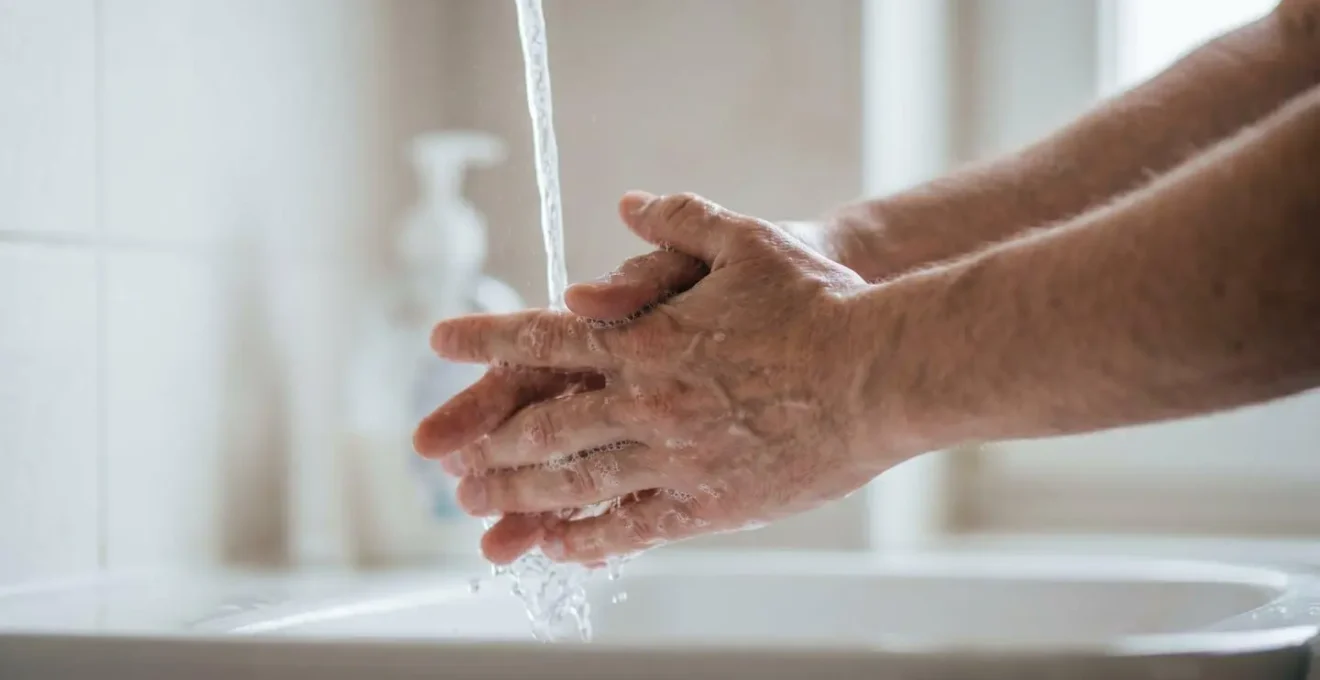
For true protection against the full spectrum of common germs, especially during outbreaks of gastrointestinal illness, there is no substitute for proper handwashing. Sanitizer is a convenient option when soap and water are unavailable, but it should never be considered a superior replacement. The simple, timeless act of washing your hands remains one of the most powerful tools in your immune defense arsenal.
The Cortisol Mistake That Leaves You Open to Infections Every Weekend
We’re often told to « reduce stress » to protect our immune system, but this advice is too vague to be actionable. The real issue lies in the dysregulation of cortisol, our primary stress hormone. The common mistake isn’t necessarily a single, major stressful event, but the relentless, low-grade pressure of a demanding workweek. This creates a state of chronically elevated cortisol.
In the short term, cortisol has an anti-inflammatory effect, which is beneficial. However, when your body is exposed to it constantly, a dangerous adaptation occurs: your immune cells become less sensitive to cortisol’s signals. This is known as cortisol resistance. The result is paradoxical: even though you have high levels of cortisol, your body can no longer use it to regulate inflammation effectively. As one expert from the Cleveland Clinic explains, this chronic state is a gateway to illness.
Over time, when your body reaches chronic stress, your body can get used to having too much cortisol in your blood. And this opens the door for more inflammation.
– Dr. Leonard Calabrese, Cleveland Clinic – Stress and Immune System
This explains why many people get sick on Friday evening or Saturday morning. After five days of running on adrenaline and high cortisol, the abrupt drop-off in demand over the weekend leaves the dysregulated immune system vulnerable. The inflammation that cortisol was suppressing suddenly rebounds, and pathogens that were being held at bay get their chance to take hold. The key is not to eliminate stress, but to manage its rhythm—incorporating moments of true recovery *during* the week to prevent the buildup of cortisol resistance, rather than waiting for a weekend crash.
How to Adjust Your Sleep When You Feel the First Scratch in Your Throat?
When you feel the first signs of an impending illness—that tell-tale scratchy throat or unusual fatigue—your body is sending a clear signal: the immune system is engaging an enemy. At this moment, one of the most powerful actions you can take is to strategically adjust your sleep. Sleep is not a passive state; it is when your body performs its most critical repair and defense work. During deep sleep, your immune system releases proteins called cytokines, some of which are essential for fighting infection.
Skimping on sleep, especially when you feel rundown, directly deprives your body of these crucial reinforcements. While health experts recommend a baseline of 7 to 8 hours of sleep per day for adults, this becomes non-negotiable when your body is under attack. The goal is to maximize both the quantity and quality of your sleep to give your immune cells the best possible advantage.
At the first sign of sickness, don’t just « try » to sleep more; create an optimal environment for restorative rest with these targeted actions:
- Establish a Routine: Go to bed at a consistent time, even if it’s earlier than usual, to honor your body’s circadian rhythm.
- Optimize Your Environment: Keep your bedroom cool and dark. A temperature around 65°F (18°C) is ideal for promoting deep sleep stages where immune activity peaks.
- Implement a Digital Curfew: Turn off all blue-light-emitting screens (phones, tablets, TVs) at least 30-60 minutes before bed to allow for natural melatonin production.
- Use Temperature to Your Advantage: A warm bath 1-2 hours before bedtime can help trigger a drop in core body temperature, which signals to your body that it’s time to sleep.
- Elevate Your Head: Use an extra pillow to slightly elevate your head and torso. This can help with lymphatic drainage in the head and neck, potentially reducing throat irritation and congestion.
Liposomal vs Standard Vitamins: Is the 40% Price Hike Justified for Absorption?
The supplement aisle is filled with promises, and « liposomal » is the latest buzzword commanding a premium price. The technology is based on sound science: liposomes are tiny lipid (fat) spheres that encapsulate a nutrient, like Vitamin C, protecting it from degradation in the digestive tract and potentially enhancing its absorption into the bloodstream. The question is, is this enhanced delivery worth the often significant price increase?
Before considering any supplement, it’s crucial to remember the most effective strategy. As experts at the UT MD Anderson Cancer Center state, a well-balanced diet is the primary source of nutrients. Focusing on whole foods and avoiding added sugars provides a complex synergy of vitamins, minerals, and phytonutrients that no pill can replicate. Supplements should be for filling specific, diagnosed gaps—not a substitute for a healthy diet.
However, when a supplement is necessary, the cost-effectiveness of liposomal technology depends entirely on the nutrient in question. Not all vitamins benefit equally from this advanced delivery system. For fat-soluble vitamins like D and K, which are already well-absorbed when taken with a meal containing healthy fats (like avocado or nuts), the benefit is marginal. For others, the difference is profound, as this comparative analysis shows.
This table breaks down where the extra cost for liposomal delivery provides a meaningful return on investment for your health.
| Nutrient Type | Standard Oral Absorption | Liposomal Benefit | Cost-Effectiveness Verdict |
|---|---|---|---|
| Vitamin C (water-soluble) | Low (limited by intestinal transporters) | High (bypasses first-pass metabolism) | MOST justified – significant bioavailability increase |
| Glutathione | Very low (degraded in gut) | High (protected delivery) | MOST justified – oral form nearly ineffective otherwise |
| Vitamin D (fat-soluble) | Moderate to high with dietary fat | Marginal improvement | LEAST justified – take with healthy fat instead |
| Vitamin K (fat-soluble) | Moderate to high with dietary fat | Marginal improvement | LEAST justified – consume with nuts or avocado |
How to Identify and Seal Window Drafts for Less Than $20?
Creating a healthy home environment goes beyond just ventilation; it also involves maintaining a stable and comfortable indoor climate. Uncontrolled drafts from poorly sealed windows and doors not only drive up energy bills but can also create cold spots that may stress the body and compromise comfort. Sealing these air leaks is a simple, cost-effective way to improve your home’s integrity and support your overall well-being. Best of all, you can do it yourself with a budget of less than $20.
The first step is detection. The most effective low-tech method is the « incense stick test. » On a calm day, close all windows and doors and turn off fans. Safely light an incense stick and slowly move it along the edges of window frames, electrical outlets, and baseboards. Any area where the smoke wavers, flickers, or blows horizontally indicates an air leak that needs attention.
Once you’ve identified the culprits, you can choose from several budget-friendly sealing options:
- Good (for renters): Removable Rope Caulk (~$5). This pliable, putty-like material is pressed into gaps and can be easily removed at the end of the season without damaging paint or wood, making it ideal for temporary situations.
- Better: Self-adhesive Foam Weather Stripping (~$8). This is perfect for sealing gaps in moving parts, such as between a window sash and the frame. It compresses to create a tight seal when the window is closed.
- Best (for homeowners): Paintable Silicone Caulk (~$6). For non-moving cracks and gaps around the exterior or interior of window frames, a tube of permanent caulk provides a durable, long-lasting, and airtight seal.
A useful tip is to prioritize sealing windows on the upper floors first. Since warm air rises (a phenomenon known as the « stack effect »), air leaks in the upper part of your home are often the most significant source of heat loss and drafts.
Key Takeaways
- Gut Health is Immune Health: A staggering 70-80% of your immune function is dictated by the health and diversity of your gut microbiome, which is directly fed by your diet.
- Your Environment Matters: Reducing the viral load in your home through simple ventilation is often more critical for preventing illness than surface cleaning alone.
- Master Stress & Sleep: Consistent routines that regulate cortisol and prioritize deep sleep are not luxuries; they are the foundational pillars of a resilient immune system.
How to Prepare for a Doctor’s Visit So You Don’t Get Dismissed?
One of the most disempowering experiences is feeling that your health concerns, especially vague ones like « I get sick all the time, » are being dismissed during a brief doctor’s visit. This often happens not because the doctor is uncaring, but because the information presented is subjective and lacks a clear, data-driven narrative. To transform your appointment from a frustrating monologue into a productive dialogue, you must prepare like a scientist presenting a case.
The key is to shift from subjective feelings (« I feel rundown ») to objective evidence. A well-prepared patient is an active partner in their healthcare. By structuring your concerns, you make it easier for your doctor to identify patterns, consider a full range of possibilities, and take your symptoms seriously. The SOAP method, a framework used by healthcare providers themselves, is a powerful tool for this.
By organizing your thoughts this way, you provide a clear, concise, and compelling case for further investigation.
- S (Subjective): Document your symptoms with a clear timeline. Don’t just say « I get frequent colds. » Instead, write: « Over the last 6 months, I have had 4 separate colds, each lasting 7-10 days. The primary symptoms are a sore throat and deep fatigue that begins 2 days before the other symptoms. »
- O (Objective): Bring measurable data. This could include a log of your temperature readings, photos of a recurring rash, or even data from a fitness tracker showing disruptions in your sleep or resting heart rate leading up to an illness.
- A (Assessment): Formulate your own observation or theory. For example: « I have noticed a distinct pattern where I become ill within 48 hours of completing a highly stressful project at work, » or « My digestion seems to be worse in the weeks I feel my immune system is weak. »
- P (Plan): Be explicit about your desired outcome. Clearly state what you are hoping to achieve with the visit. This could be: « I would like to discuss getting bloodwork to check for vitamin D deficiency, » or « Could you help me create a lifestyle plan to address this pattern? »
By preparing for medical appointments with clear, structured information, you become an active partner in your health. Start today by documenting your health patterns to build a stronger relationship with your healthcare provider and take control of your immune wellness.
Frequently Asked Questions About Natural Immune Support
What is the full differential diagnosis for my recurring symptoms?
This question prompts your doctor to consider multiple possible explanations rather than settling on the first obvious answer, ensuring a thorough evaluation of your immune health concerns.
Beyond this prescription or treatment, are there any lifestyle factors you think are key for me to address?
This shifts focus from quick fixes to root causes, opening discussion about diet, stress management, sleep quality, and exercise that directly impact immune function.
What would be the next step if this treatment doesn’t resolve my symptoms?
Establishes a clear follow-up plan and demonstrates you’re seeking comprehensive care, not just a one-time visit, which encourages your doctor to think long-term about your immune health.