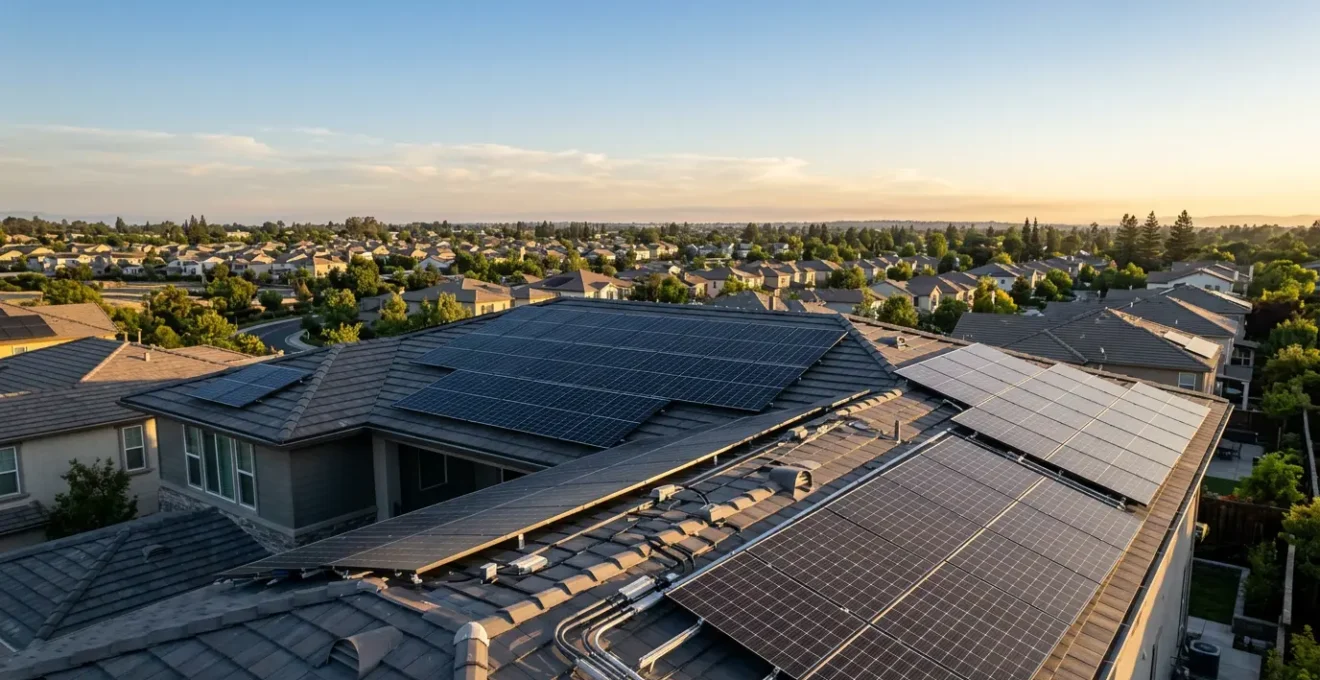
Contrary to popular belief, a true solar ROI calculation is not about panels; it’s an audit of your entire home energy ecosystem.
- Standard online calculators ignore critical variables like parasitic device loads and time-of-use electricity pricing, leading to overly optimistic payback periods.
- The financial return of solar is maximized by integrating it with other systems like EVs and heat pumps, and strategically shifting consumption.
Recommendation: Before investing, conduct a bottom-up energy audit of your home. Quantify your actual consumption patterns and parasitic loads first, then model the solar system’s impact on that baseline.
For homeowners considering a significant capital investment in solar panels, the central question is deceptively simple: will it actually pay off? The internet is saturated with simplistic online calculators and sales pitches that promise remarkable savings. These tools often focus on two variables: the size of your electricity bill and the potential output of a solar array. This approach is fundamentally flawed. It treats your home as a passive consumer and the solar panels as a simple discount coupon on your utility bill, a perspective that inevitably leads to inaccurate financial projections and potential disappointment.
A rigorous, engineering-grade analysis of solar ROI requires a paradigm shift. Instead of viewing solar in isolation, we must treat the home as an interconnected energy ecosystem. The true financial performance of a photovoltaic (PV) system is not dictated solely by the panels on the roof, but by a dynamic interplay of factors: the efficiency of your appliances, the parasitic electrical loads of your « smart » devices, the timing of your energy consumption, and the thermal performance of your home’s building envelope. An accurate calculation moves beyond a simple production-versus-consumption model and embraces a holistic view of energy flows.
This guide will not provide a one-click answer. Instead, it will equip you with the objective framework required to perform a true financial analysis. We will deconstruct the common myths and oversimplifications, providing the mathematical and strategic tools to model your home’s unique energy profile. By understanding the system as a whole, you can move from being a passive ratepayer to an active manager of your own residential power plant, making an investment decision based on data, not a sales brochure.
To conduct a thorough evaluation, we will explore the critical components of a home’s energy ecosystem and how they directly influence the financial viability of a solar installation. The following sections break down these interconnected systems, from grid reliability to appliance efficiency.
Summary : A Homeowner’s Financial Framework for Solar Investment
- Why Solar Panels Without a Battery Won’t Save You During a Blackout?
- How to Charge Your Electric Vehicle for Free Using Excess Solar Production?
- Air Source vs Ground Source: Which Heat Pump Fits a Small Urban Lot?
- The « Smart Home » Mistake That Adds 10% to Your Electricity Bill
- When to Run High-Draw Appliances to Help Stabilize the Grid?
- Why Your « Smart » Home Might Be Increasing Your Electricity Base Load?
- A+++ vs A+: Is the Extra $200 for the Top Fridge Model Worth It?
- How to Lower Your Winter Heating Bill by 15% Without Touching the Thermostat?
Why Solar Panels Without a Battery Won’t Save You During a Blackout?
A primary misconception among prospective solar owners is that panels provide energy independence during a power outage. In reality, a standard grid-tied solar system without a battery storage component will shut down completely during a blackout. This is not a system flaw but a critical safety feature mandated by utility regulations and codified in standards like IEEE 1547. The mechanism responsible is known as « anti-islanding » protection, a function built into every grid-tied inverter.
As explained by the Windurance Technical Team in their guide on the topic, « Anti-islanding protection is a way for the inverter to sense when the power grid is struggling or has failed. It then stops feeding power back to the grid. » This immediate shutdown is essential to protect utility workers who may be repairing power lines. If your system continued to export electricity onto a downed grid, it would create a dangerous « island » of energized wires, posing a lethal risk to line workers who assume the grid is de-energized. While power outages in the U.S. have a duration of about 5.5 hours per customer annually, the inability to use your own solar generation during these periods is a crucial factor in the ROI calculation. It means that without the additional, significant cost of a battery system, the value proposition of « energy security » is nonexistent for a standard solar installation.
Therefore, when calculating ROI, the benefit of blackout protection can only be factored in if a battery is part of the initial system design. This adds a substantial cost, typically thousands of dollars, which must be amortized over the system’s life. A purely financial model must weigh the cost of the battery against the quantifiable cost and inconvenience of grid outages for your specific location and needs. For most homeowners, this means the justification for a battery shifts from pure ROI to a qualitative desire for convenience and security.
How to Charge Your Electric Vehicle for Free Using Excess Solar Production?
Integrating an electric vehicle (EV) with a rooftop solar system represents one of the most powerful synergies in residential energy management. The potential to use self-generated electricity to power transportation can dramatically accelerate the payback period of a solar investment. Research from SolarReviews demonstrates that charging an EV at home with solar can yield savings of over $100 per month compared to the cost of gasoline. However, achieving this « free fuel » scenario is not automatic; it requires strategic management of charging schedules.
The common mistake is charging the EV overnight. In this scenario, the homeowner often sells their excess solar power to the grid during the day at a low wholesale rate, only to buy back electricity from the grid at a much higher retail rate in the evening. A case study on homeowner charging patterns found that without smart scheduling, owners sold solar power for as little as $0.06/kWh and bought it back for evening charging at up to $0.48/kWh. The solution is consumption shifting: using a smart charger or vehicle settings to align the EV’s charging cycle with peak solar production hours, typically from mid-morning to mid-afternoon.
The same analysis revealed that implementing solar-aware charging schedules enabled approximately 90% of EV miles to be powered directly from solar panels. This simple change in behavior, facilitated by technology, generated annual savings between $800 and $1,200 for an average household. This demonstrates that the ROI is not just about panel size but intelligent load management. A true financial calculation must model the kWh required for your driving habits and factor in the ability to align that demand with solar supply.
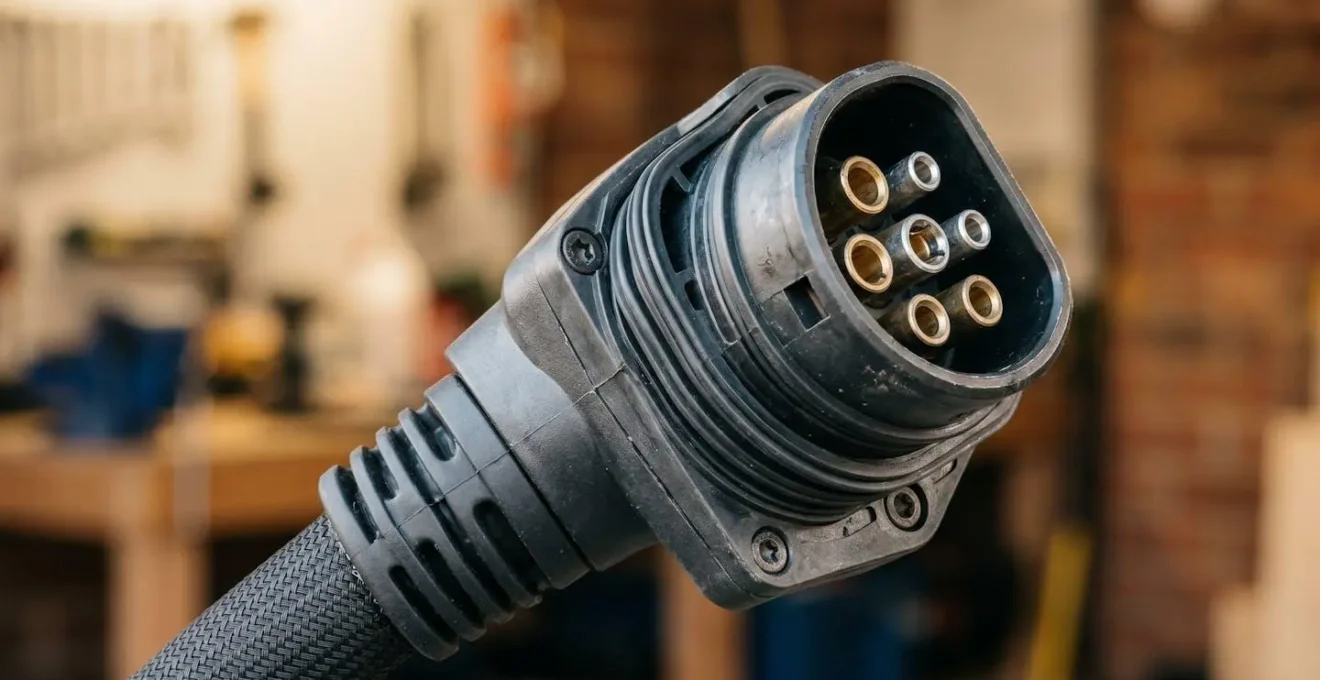
This level of integration highlights the importance of viewing the home and vehicle as a single energy system. The charger is no longer a simple appliance but a controllable load that can absorb excess production, maximizing self-consumption and minimizing reliance on the grid. The financial benefit is direct, quantifiable, and a major driver of solar ROI for EV owners.
Air Source vs Ground Source: Which Heat Pump Fits a Small Urban Lot?
Heat pumps are a cornerstone of home electrification, offering high-efficiency heating and cooling. When paired with a solar PV system, they can significantly increase a household’s energy independence. The key to this synergy is the heat pump’s ability to convert solar-generated electricity into thermal energy for space heating, cooling, and hot water, effectively acting as a « thermal battery. » For homeowners on small urban lots, the primary choice is between an Air Source Heat Pump (ASHP) and a Ground Source Heat Pump (GSHP). While GSHPs offer superior efficiency by leveraging stable underground temperatures, they require extensive and costly excavation for geothermal loops, making them impractical for most urban properties. ASHPs, which exchange heat with the ambient air, are compact, less expensive to install, and perfectly suited for limited spaces.
The true value unfolds when an ASHP is integrated into the solar energy ecosystem. By running the heat pump during peak solar production hours, homeowners can « pre-heat » or « pre-cool » their homes or heat water for a thermal storage tank. This strategy dramatically boosts solar self-consumption. In fact, studies on PV-heat pump systems show that integrating these technologies can lead to consuming over 78% of all PV-generated energy on-site. This is a massive improvement over a typical solar-only home, where self-consumption might be as low as 20-30%.
Further research highlights the power of combining these systems with storage. An analysis of solar-assisted heat pumps in Milan and Messina, which used both thermal and battery storage, achieved self-consumption and self-sufficiency rates of approximately 80%. This was three times higher than systems without any storage. For a homeowner calculating ROI, this means a solar-powered heat pump doesn’t just reduce heating and cooling bills; it fundamentally changes the value of every kWh produced on the roof by providing a highly efficient and useful load to absorb that energy.
The « Smart Home » Mistake That Adds 10% to Your Electricity Bill
The proliferation of « smart » devices—from speakers and lightbulbs to cameras and streaming sticks—has inadvertently introduced a significant and often-overlooked cost into modern households: parasitic load. Also known as phantom or vampire load, this is the electricity consumed by devices when they are in standby mode, waiting for a command. While the draw of a single device is minuscule (typically 1-2 watts), the cumulative effect of dozens of these always-on gadgets can be substantial. This constant, low-level energy drain increases the home’s baseline electricity consumption, working directly against the savings generated by a solar panel system.
The scale of this problem is frequently underestimated. According to energy monitoring research, phantom load can account for 6% to 23% of a home’s total electricity use. For a solar homeowner, this means a significant portion of their solar-generated power (or expensive grid power at night) is being used not to power active appliances, but to keep idle electronics in a state of readiness. This directly erodes the financial return of the solar investment. An ROI calculation that ignores the home’s parasitic load is fundamentally incomplete and will produce an overly optimistic payback period.
Quantifying and managing this load is a critical step in maximizing solar ROI. It requires a shift from a « smart home » to an « energy-smart home, » where convenience is balanced against efficiency. The first step is measurement, followed by targeted mitigation strategies. Without addressing this growing baseline consumption, homeowners are effectively trying to fill a leaky bucket, with a portion of their valuable solar energy draining away 24/7.
Your Action Plan: Smart Home Energy Audit
- Establish Baseline: Install a whole-home energy monitor at the circuit breaker panel to understand overall consumption patterns and identify the total baseline load during periods of minimal activity (e.g., overnight).
- Measure Individual Devices: Use plug-in smart plugs with energy monitoring to measure the specific standby power draw of key network-connected devices like smart speakers, TVs, and streaming boxes.
- Quantify the Drain: Calculate the cumulative daily phantom consumption by multiplying the number of always-on devices by their average standby wattage and then by 24 hours. This reveals the daily kWh « leak. »
- Cluster and Control: Implement smart power strips for device clusters (like entertainment centers and home offices) to completely cut power to multiple devices on a schedule or with a single command when not in use.
- Integrate and Automate: Configure a Home Energy Management System (HEMS) to shift the operation of high-draw smart appliances (like robotic vacuums or dehumidifiers) to align with peak solar production hours, maximizing self-consumption.
When to Run High-Draw Appliances to Help Stabilize the Grid?
The concept of « consumption shifting » is not only beneficial for the individual homeowner but also for the stability of the entire electrical grid. In regions with high solar penetration, a phenomenon known as the « duck curve » occurs, where mid-day net electricity demand plummets due to massive solar generation, only to spike dramatically in the evening as the sun sets and people return home. By strategically running high-draw appliances—such as dishwashers, washing machines, dryers, or pool pumps—during these peak solar production hours (typically 10 a.m. to 3 p.m.), homeowners can absorb their own excess generation. This maximizes self-consumption, reduces the amount of electricity exported to the grid, and alleviates grid strain.
This strategy has a direct and positive impact on a solar system’s ROI, especially in areas with Time-of-Use (TOU) electricity rates or low feed-in tariffs. Under TOU plans, electricity is most expensive during evening peak hours. By shifting consumption to mid-day, you are using your « free » solar energy instead of expensive grid power. This behavior is so impactful that it can shorten payback periods. For instance, California solar ROI analysis reveals that adding a battery to store mid-day energy for evening use can reduce the average payback period by one to two years from the typical 6-8 years.
The financial model for your solar system must therefore include assumptions about your ability and willingness to shift your consumption patterns. Furthermore, the overall calculation depends on several key financial inputs. As noted by solar analysts, the financial equation is heavily influenced by factors beyond simple energy use. The 30% federal Investment Tax Credit (ITC) directly reduces the net system cost, but only if you have sufficient tax liability. Additionally, one must factor in electricity rate inflation, which TheCalcs Solar Analysis Team suggests typically runs at 3% annually, increasing the value of your self-generated power over time. A comprehensive ROI model projects these variables over the 25-year life of the system.
Why Your « Smart » Home Might Be Increasing Your Electricity Base Load?
While the previous section highlighted the problem of parasitic loads from smart devices, the solution lies in a more sophisticated approach to energy management: active monitoring. The very technology contributing to the problem can also provide the solution. A « smart » home becomes an « energy-smart » home only when it provides granular, real-time data on consumption. Without measurement, there is no management. Installing a whole-home energy monitor is the first and most critical step in diagnosing and curing the parasitic load that silently inflates your electricity base load.
These monitoring systems, installed at the circuit breaker panel, provide a detailed view of where and when electricity is being used throughout the house. This data is transformative. It moves the homeowner from guessing to knowing. The impact is often immediate, as simply being aware of consumption leads to behavioral changes. In fact, utility studies on energy monitoring demonstrate an average consumption reduction of 8-12% in the first year after installation, driven purely by user awareness and subsequent actions.
The true power of monitoring, however, comes from its ability to pinpoint specific culprits. A case study documented by Solartechonline.com provides a compelling example. A homeowner used a simple $25 Kill-A-Watt plug-in meter to investigate their phantom load. They identified a single faulty device that was consuming 50 watts continuously, 24/7. By isolating and eliminating this one vampire drain, the household saved between $50 and $75 annually. The payback on the monitoring investment was a mere three to four months. This demonstrates that for targeted optimization, circuit-level or even plug-level monitoring provides a much higher return than broad estimates, allowing for surgical interventions that directly impact the bottom line and, by extension, the overall solar ROI.
A+++ vs A+: Is the Extra $200 for the Top Fridge Model Worth It?
When designing a home energy ecosystem, every watt matters. This is especially true for appliances that run 24/7, like refrigerators. The decision between a highly efficient model and a standard one may seem minor, but over the 20-25 year lifespan of a solar system, the cumulative impact is significant. A solar ROI calculation that only considers the panels is incomplete; it must also account for the efficiency of the loads the panels will power. A more efficient appliance reduces the overall energy demand, which could mean a smaller, less expensive solar and battery system is required to achieve the desired level of energy independence.
Let’s analyze this using a Total Cost of Ownership (TCO) framework. Consider two refrigerators: a standard A+ model and a top-tier A+++ model that costs $200 more upfront. The A+++ model is more efficient, consuming 120 kWh less per year. While the immediate savings on the electricity bill might seem small, the long-term view is what matters. This is analogous to how we view solar panels themselves, where we must account for gradual output degradation. For instance, industry-standard solar degradation data shows that panel output decreases by about 0.5% per year. A long-term financial model is essential for both generation and consumption.
The following table breaks down the 20-year TCO for both refrigerator models, factoring in the initial cost and escalating energy prices. This quantitative analysis provides a clear answer to whether the upfront investment in efficiency pays off.
| Cost Factor | A+ Model (300 kWh/year) | A+++ Model (180 kWh/year) | Difference |
|---|---|---|---|
| Initial Purchase Price | $1,800 | $2,000 | -$200 |
| Annual Energy Consumption | 300 kWh | 180 kWh | +120 kWh saved |
| Year 1 Energy Cost (grid @ $0.15/kWh) | $45 | $27 | +$18 saved |
| Year 10 Energy Cost (3% rate increase) | $60 | $36 | +$24 saved |
| Year 20 Energy Cost (3% rate increase) | $81 | $49 | +$32 saved |
| Total 20-Year Energy Costs | $1,215 | $729 | +$486 saved |
| Total 20-Year Ownership Cost | $3,015 | $2,729 | +$286 net savings |
| Solar-adjusted value: 120 kWh annual savings = potential to reduce battery size by ~0.3 kWh ($150-200 avoided battery cost) | |||
The data is conclusive. The initial $200 premium for the A+++ model generates a net savings of $286 over 20 years. More importantly for a solar homeowner, the 120 kWh annual reduction in demand could allow for a smaller battery size, potentially avoiding $150-200 in battery costs. This illustrates a core principle: investing in load reduction is often more cost-effective than investing in additional generation or storage capacity.
Key Takeaways
- A true solar ROI calculation must be a holistic audit of the entire home energy system, not just the panels.
- Quantifying and mitigating parasitic loads from always-on devices is a critical, and often overlooked, step to maximizing savings.
- The financial value of solar is amplified when integrated with other electric systems like EVs and heat pumps through strategic consumption shifting.
How to Lower Your Winter Heating Bill by 15% Without Touching the Thermostat?
The most powerful component of any solar ROI calculation is often the energy you don’t use. Before investing thousands of dollars in generating electricity, a thorough analysis must first address reducing the fundamental energy demand of the home. This « efficiency first » approach provides the fastest and highest return on investment. Nowhere is this more evident than in home heating. Reducing thermal loss through improved insulation and air sealing is significantly more cost-effective than generating solar power to run an inefficient heating system.
The financial case is compelling. A comparative energy efficiency analysis shows that the payback period for investments in insulation is typically 2-4 years, whereas the payback for solar panels is in the 5-9 year range. This means that for every dollar invested, improvements to the building envelope deliver savings faster than investments in generation. A homeowner looking to maximize their financial return should therefore view insulation and air sealing as the first, foundational step in their energy strategy. Reducing the heating load by 15-20% through these measures permanently lowers the home’s energy demand, making any subsequent solar installation more effective and potentially smaller and cheaper.
These improvements do not require a major renovation. They can be achieved through a series of targeted, high-impact actions that focus on preventing heat from escaping and leveraging passive solar gain. The goal is to create a tighter, more efficient thermal envelope, ensuring that the energy you do use—whether from the grid or your solar panels—is used as effectively as possible.

Your Action Plan: Passive Heat Retention Strategy
- Window Insulation: Install insulated cellular blinds on south-facing windows and use automation or manual operation to close them at sunset, trapping solar heat gained during the day.
- Air Leak Identification: Conduct a DIY blower door test using a box fan sealed in a doorway and a smoke pen or incense stick to identify air leakage points. Focus on common culprits like attic hatches, electrical outlets, window frames, and door thresholds.
- Strategic Sealing: Seal identified air leaks using the appropriate materials: weatherstripping for doors and windows, expanding spray foam for larger gaps, and caulk for cracks around plumbing or wiring penetrations.
- Add Thermal Mass: In rooms with significant daytime sun exposure, add thermal mass elements like tile or stone flooring, brick accent walls, or even dark-colored, water-filled containers that will absorb solar heat and release it slowly overnight.
- Attic Insulation: Upgrade attic insulation to the recommended R-value for your climate (e.g., R-49 in cold climates), ensuring you air seal any penetrations in the attic floor before adding new insulation to prevent convective heat loss.
To accurately calculate the long-term financial viability of a solar investment, begin not on the roof, but with a comprehensive audit of your home’s energy consumption and thermal efficiency. Address load reduction and parasitic drains first, then model the integrated system—including panels, appliances, and potential storage—to project a true, data-driven return on investment.