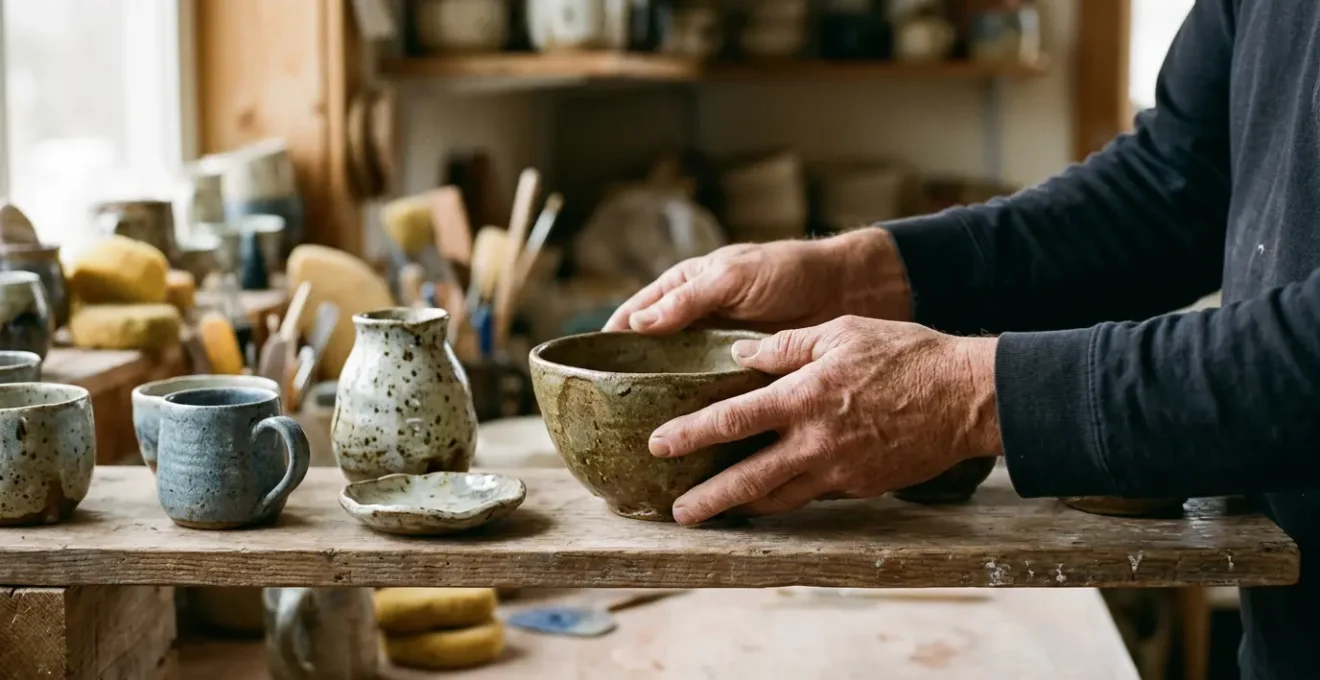
If your hobbies feel like a second job, the problem isn’t the activity—it’s the productivity mindset we’ve been trained to apply to everything. The path to true leisure isn’t about finding a new hobby, but about unlearning the need for goals, optimization, and performance. This guide gives you permission to reclaim the joy of « unproductive play » and embrace being a wonderfully incompetent beginner again.
Does this sound familiar? You decide to pick up a new hobby, something just for you. You start knitting, painting, or baking bread. At first, it’s a welcome escape. But soon, the old familiar thoughts creep in. « I could probably sell these on Etsy. » « Am I getting good enough, fast enough? » « I should be using this time to do something more… productive. » Suddenly, your source of joy feels like another task on your to-do list, another performance to optimize. You’re not alone. For a generation of burned-out adults, every skill feels like it should be monetized, and every free moment feels like it should be leveraged.
The standard advice— »make a list of things you enjoyed as a child » or « just try something new »—misses the point entirely. The issue isn’t a lack of ideas; it’s a deeply ingrained psychological block. We’ve forgotten how to play. We’ve lost the ability to engage in an activity purely for the intrinsic pleasure of it, with no thought of an external reward, a finished product, or an audience’s approval. This is the art of unproductive play, a concept that feels almost rebellious in today’s hyper-optimized world.
But what if the real key to finding a hobby that doesn’t feel like a job wasn’t about finding the *right activity*, but about fundamentally rewiring our approach to leisure itself? This isn’t just about picking up a paintbrush; it’s about giving yourself permission to make a mess, to be delightfully bad at something, and to find joy in the process, not the outcome. This article is your official permission slip from a leisureologist to do just that.
This guide will walk you through the essential steps to deprogram the productivity mindset from your leisure time. We’ll explore the psychological traps that turn joy into work, the practical strategies for embracing imperfection, and the different ways to recharge your social batteries, all so you can finally find a hobby that feels like a refuge, not a responsibility.
Summary: How to Find a Hobby That Doesn’t Feel Like Another Job?
- Why Monetizing Your Knitting Might Ruin the Joy of Creating?
- How to Enjoy Being Bad at Something New as an Adult?
- Pottery Class vs Gaming at Home: Which Recharges Your Social Battery?
- The « All Gear, No Idea » Mistake That Costs Beginners Thousands
- When to Schedule Leisure So It Doesn’t Get Eaten by Chores?
- How to Cut Transport Costs by 30% to Afford Unique Local Workshops?
- Team Sports vs Book Clubs: Which Activity Builds Deeper Adult Friendships?
- How to Overcome the « Imposter Syndrome » That Stops You From Creating Art?
Why Monetizing Your Knitting Might Ruin the Joy of Creating?
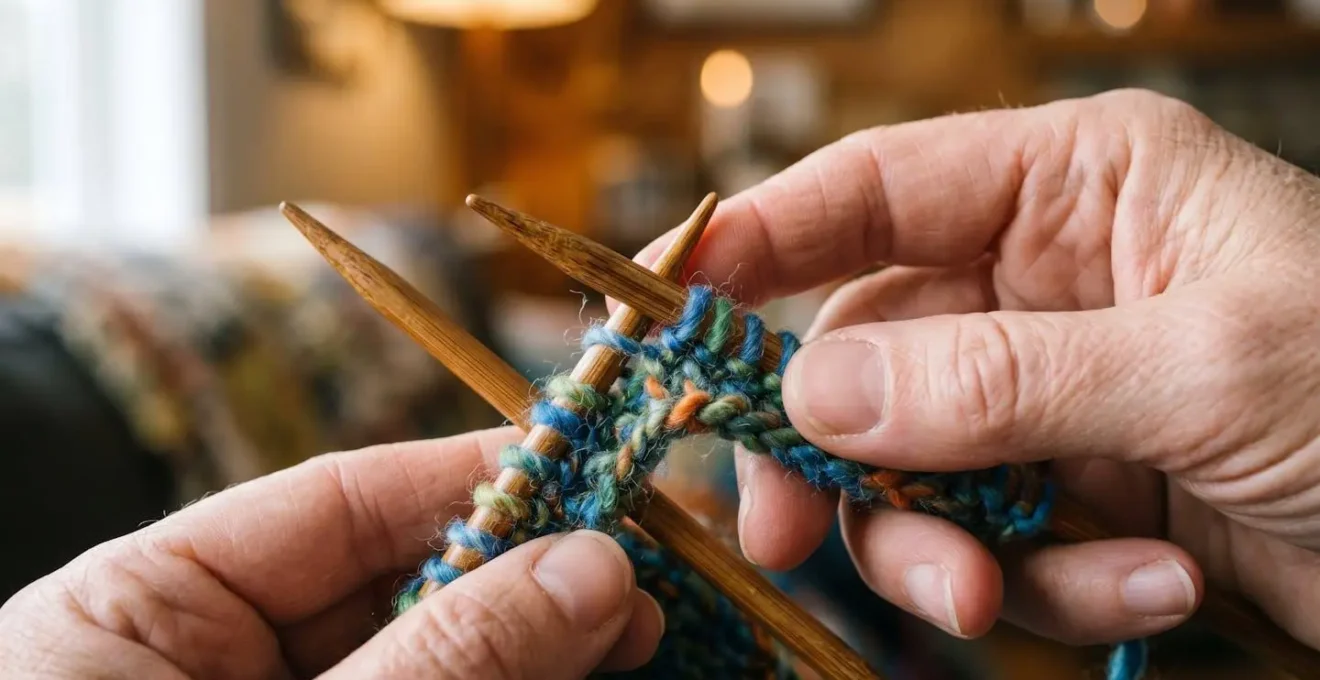
The impulse to monetize a hobby is understandable. In a culture that worships side hustles, turning your passion for knitting scarves or baking cakes into a source of income seems like a win-win. However, this is often the very act that systematically dismantles the joy you found in the first place. The reason lies in a powerful psychological principle known as the Overjustification Effect. This effect occurs when an external incentive, like money, decreases a person’s intrinsic motivation to perform a task they previously enjoyed for its own sake.
In essence, your brain begins to attribute your motivation to the payment, not the pleasure of the activity. What was once « play » becomes « work. » The pressure to produce, meet deadlines, and satisfy customers replaces the freedom to experiment and create for yourself. Extensive research demonstrates that expected monetary rewards can effectively « crowd out » the pure, internal satisfaction that made the hobby special to begin with.
A compelling real-world example of this was observed in a study of Swiss volunteers. A survey revealed that offering small financial payments actually reduced the number of hours people were willing to volunteer. The median reward caused volunteers to work less than those who received no payment at all. This perfectly illustrates how introducing money into an intrinsically rewarding activity can paradoxically kill the very motivation that drives it. The moment your creative outlet gets a price tag, you risk losing the priceless feeling of doing it just for you.
This psychological trap is the single biggest threat to sustainable, joyful leisure. Recognizing it is the first step toward consciously choosing hobbies that remain free from the pressures of the marketplace.
How to Enjoy Being Bad at Something New as an Adult?
As adults, especially high-achieving ones, we’ve become allergic to incompetence. We exist in professional and social spheres where being an expert is rewarded and being a novice is seen as a temporary, uncomfortable state to be exited as quickly as possible. This mindset is poison for hobbies. The solution is to intentionally cultivate the art of joyful incompetence—the act of finding delight in the messy, awkward, and often hilarious process of learning something new without any pressure to be good at it.
Being bad at something is a space of pure potential. It’s where there are no expectations, only discoveries. When you allow yourself to be a beginner, you are not performing; you are simply experiencing. You’re not trying to create a masterpiece; you’re just learning how the paint feels on the brush. This shift from a performance mindset to a process mindset is the key to unlocking the restorative power of a true hobby.
It requires a conscious unlearning of the perfectionism that has likely served you well in your career but is now sabotaging your leisure. It’s about giving yourself the grace you’d extend to a child learning to ride a bike—celebrating the wobbly attempts, not just the moment they finally pedal away. The goal is not to become a master potter, but to enjoy the feeling of clay in your hands today.
Your Action Plan: Embracing the Beginner’s Mindset
- Listen without judgment: Pay attention to your learning process without labeling it « good » or « bad. »
- Abandon perfectionism: Release the pressure to be great at something immediately. The goal is engagement, not mastery.
- Adopt a fresh perspective: Appreciate the topic as a true beginner would, full of curiosity and free from preconceived notions of success.
- Embrace the beginner stage: Recognize that at any age, we can be beginners again. Frame it as an exciting opportunity for growth and curiosity.
- Separate Creator from Critic: Give your « Inner Critic » a name and a limited, five-minute window to speak, then tell it to be quiet so your « Creator » self can play.
Embracing this mindset transforms the frustration of not being good enough into the joyful exploration of the unknown, which is the very essence of play.
Pottery Class vs Gaming at Home: Which Recharges Your Social Battery?
The search for a hobby isn’t just about the activity itself, but also about the environment. The right hobby should replenish your energy, not drain it, and a huge part of that equation is the social context. For many burned-out professionals, the question isn’t just « what to do? » but « with whom? » Understanding whether you’re an introvert, an extrovert, or an ambivert is crucial to choosing an activity that truly recharges your social battery.
Consider the difference between a pottery class and a gaming session at home. For an introvert who craves social connection without the exhaustion of constant conversation, a pottery class can be perfect. It offers a form of « parallel play » for adults. You are in a shared space, surrounded by the quiet hum of activity and creative energy, but the focus is on your own work. You can be social without performing, sharing a quiet moment of camaraderie over a shared interest rather than navigating complex social dynamics. This allows for a low-stakes social connection that can be deeply fulfilling.
Conversely, an evening of online gaming with friends might be the ideal recharge for someone else. It can be intensely social, involving teamwork, communication, and shared goals, but it’s experienced from the comfort and safety of your own home. You can be fully engaged with your friends, then immediately retreat into your own space the moment you log off. There is no one-size-fits-all answer; the key is to be honest about what kind of interaction genuinely restores you. Do you need the quiet, shared presence of others, or the focused, interactive energy of a team? Answering this question will point you toward the right environment for your leisure.
Choosing a hobby that aligns with your social energy needs is as important as choosing one you find interesting. It’s the difference between ending your evening feeling drained and ending it feeling truly refreshed.
The « All Gear, No Idea » Mistake That Costs Beginners Thousands
When starting a new hobby, there’s a common and costly psychological trap: the belief that acquiring the right equipment is the first and most important step. We’ve all seen it—the aspiring cyclist with a $5,000 bike hanging in the garage, the novice painter with every conceivable brush and easel, or the new guitarist with an expensive amplifier and a collection of pedals. This is the « all gear, no idea » phenomenon, and it’s a form of productive procrastination that substitutes consumerism for actual engagement.
This behavior is driven by the same productivity mindset we’re trying to escape. Buying things feels like progress. It gives us a dopamine hit and the illusion that we are « serious » about our new passion. In reality, it often raises the stakes so high that it creates performance anxiety. That expensive gear sits there, silently judging you for not using it, turning a potential source of joy into a monument to guilt and wasted money. Research shows that this isn’t a small problem; a 2024 survey found that the average person spends $98 on their favorite hobby each month, a significant investment that can add pressure.
The antidote is to embrace limitations. Start with the absolute minimum. The goal is to fall in love with the process, not the paraphernalia. Before you invest heavily in gear, you must first invest your time and attention. Here are some strategies to try before you buy:
- Start with free trials: Many studios, gyms, and online platforms offer free introductory classes or trial periods.
- Borrow from friends: Put out a feeler on social media. You’d be surprised who has a dusty keyboard or a set of golf clubs they’d be happy to lend you.
- Rent before you buy: For bigger ticket items like kayaks or specialized cameras, rental options are a low-commitment way to test your interest.
- Use the library: Many modern libraries offer more than books. You can often borrow things like gardening tools, musical instruments, and even GoPros.
- Audit a class: Ask an instructor if you can sit in on one session before committing to a full course.
True passion is discovered through doing, not through buying. Give yourself the gift of starting small and cheap; your wallet and your mental health will thank you.
When to Schedule Leisure So It Doesn’t Get Eaten by Chores?
For many busy adults, the biggest obstacle to having a hobby isn’t a lack of interest, but a lack of time. Or, more accurately, a lack of *protected* time. Leisure time is often treated as the leftover time—the scraps that remain after work, family obligations, errands, and chores are done. Unsurprisingly, there are often no scraps left. If you want to make space for a hobby, you cannot wait for free time to appear. You must create it and defend it fiercely.
The key is to treat your hobby with the same seriousness you would a professional commitment. It needs to be a non-negotiable appointment in your calendar. This isn’t about adding another rigid structure to your life, but about signaling to yourself and others that your well-being and joy are priorities. When you pencil in « Guitar Practice » or « Pottery » instead of leaving that block of time as « Free Time, » it becomes a tangible commitment that is much harder to break or have co-opted by a last-minute request or the sudden urge to do laundry.
This proactive scheduling is an act of self-advocacy. It is you, as your own « Leisure-ologist, » prescribing the necessary dose of restorative play. Here are some powerful strategies to protect your hobby time:
- Treat it like an appointment: Block it out in your calendar with a specific, inspiring name like « Sacred Writing Hour » instead of « work on novel. »
- Defend the time block: If someone asks for that time, your default answer should be, « I’m sorry, I have a commitment then. » You don’t need to justify it.
- Schedule hobby time first: Try a radical experiment. Put your hobby time on the calendar for the week first, and force the chores and errands to fit into the remaining slots.
- Create themed nights: Designate certain evenings for specific purposes. « Creative Tuesday » could be a night where no chores are allowed, and the only goal is to engage in your hobby.
By scheduling your leisure, you are not killing the spontaneity; you are creating the very conditions under which spontaneous joy can occur. You are building the container that allows your creativity to flow freely.
How to Cut Transport Costs by 30% to Afford Unique Local Workshops?
Sometimes the perfect hobby isn’t at home—it’s at a local workshop, a community studio, or a hiking trail across town. But the costs associated with getting there—gas, parking, public transit fares—can add up, turning an affordable activity into a financial strain. This is a significant barrier for many; recent research shows that 59.3% of Americans find it difficult to afford their favorite hobby. Before you let logistics kill your newfound passion, it’s time to reframe the problem and get creative.
Cutting transport costs isn’t just about saving money; it’s about transforming a mundane commute into a valuable part of the hobby experience itself. Instead of seeing travel time as a « cost, » view it as a « pre-ritual » that gets you into the right headspace. This mental shift can be powerful, but it’s even better when paired with practical, cost-saving strategies that can also deepen your connection to the activity and its community.
Think beyond just driving alone. By tapping into the community around your hobby, you can often find clever solutions that reduce costs and build connections simultaneously. Consider these options:
- Reframe the commute: Use your travel time to engage with your hobby. Listen to a podcast about painting on the bus, read a book about your craft on the train, or mentally rehearse a piece of music. This turns « dead time » into active learning time.
- Create a « Hobby Carpool »: Use local community platforms like Nextdoor, a workshop-specific Facebook Group, or a class email list to find others traveling from your area. Sharing the ride splits the cost and builds camaraderie before you even arrive.
- Propose a Skill Swap: Approach the workshop organizer. Perhaps they need help with social media, bookkeeping, or photography for their website. Offer your professional skills in exchange for a discounted or free spot in the class. It’s a win-win that leverages skills you already have to support your new passion.
These strategies not only make your hobby more affordable but also embed you more deeply within a community of like-minded people, enriching the entire experience.
Team Sports vs Book Clubs: Which Activity Builds Deeper Adult Friendships?
As we get older, making new, meaningful friendships can feel incredibly difficult. Hobbies provide one of the most natural and effective platforms for building these connections, but not all social hobbies create the same type of bond. The dynamic of a soccer team is vastly different from that of a book club, and understanding these differences can help you choose an activity that fosters the kind of friendship you are seeking.
The choice between an activity like a team sport and a book club is a choice between two fundamental types of bonding: bonding through « doing together » versus bonding through « thinking and feeling together. » Team sports build a powerful sense of camaraderie, or *philia*, through shared struggle, collective effort, and joint victory or defeat. The friendship is forged in action. Vulnerability is expressed through mutual reliance, not necessarily through deep personal disclosure.
A book club, on the other hand, builds bonds through shared interpretation and emotional exploration. The vulnerability is intellectual and personal from the start. You connect by sharing how a story made you feel, what memories it triggered, or how it challenged your worldview. This can lead to a deep sense of being « seen » and understood. The following table, based on an analysis of different social activities, breaks down these dynamics.
| Activity Type | Bond Created | Vulnerability Level | Best For |
|---|---|---|---|
| Team Sports | ‘Doing Together’ – Philia through shared struggle and achievement | Lower initial emotional disclosure | Those who bond through action and shared experience |
| Book Clubs | ‘Feeling/Thinking Together’ – Emotional and intellectual exploration | Higher initial emotional vulnerability | Those who connect through shared meaning and personal interpretation |
| Structured Games (Poker, Board Games) | Mediated interaction with a concrete focus | Minimal – game provides focus beyond conversation | Introverts who need structured social activity |
| Project-Based (Theater, Band) | Strongest bonds – combines ‘doing’ with ‘shared meaning’ | Medium – grows naturally through collaboration | Those seeking deep, purpose-driven connections |
There is no « better » type of friendship. The key is to honestly assess what you’re looking for. Do you connect best through shared action or shared reflection? Answering that will guide you to the right team, club, or group for you.
Key Takeaways
- Monetizing a hobby can destroy its intrinsic joy due to the « Overjustification Effect, » turning play into work.
- The goal of a new hobby is not mastery but « joyful incompetence »—the freedom and delight found in being a beginner.
- You must proactively schedule and protect your leisure time like a non-negotiable appointment to prevent it from being consumed by life’s obligations.
How to Overcome the « Imposter Syndrome » That Stops You From Creating Art?
You’ve found a hobby you love. You’ve protected the time for it. You’ve resisted the urge to buy all the gear. And yet, you find yourself staring at a blank canvas or an empty page, paralyzed by a familiar, nagging voice: « Who do you think you are? You’re not a *real* artist. » This is creative imposter syndrome, and it’s one of the final and most formidable barriers between you and a fulfilling hobby. It’s the feeling that you are a fraud for even attempting to create, and that your work will inevitably be exposed as amateurish and unworthy.
This feeling stems from a flawed definition of what it means to be an « artist, » « writer, » or « musician. » We are conditioned to believe these titles are reserved for professionals who create for a living. This is a trap. An artist is simply someone who creates art. A writer is someone who writes. The moment you engage in the act, you are the thing. The solution to imposter syndrome is not to wait until you feel « worthy » of the title, but to radically redefine it through action and deliberate reframing of your self-talk.
Overcoming this requires shifting your internal narrative from one of doubt to one of authenticity. Your goal is not to be the next Picasso; it is to express your unique perspective. That perspective is inherently valuable because it is yours alone. The following techniques can help you quiet the inner critic and give your creative self the space to play:
- Shift from ‘Originality’ to ‘Authenticity’: Stop worrying if your idea is new and focus on whether it’s true to you. Your unique perspective is what makes your work valuable.
- Redefine « Artist »: An artist is anyone who engages in the act of creating. It is a verb before it is a noun. You do not need to sell work to claim this identity.
- Change your self-talk: Instead of the aspirational « I want to be a painter, » use the factual « I am a person who paints. » This grounds your identity in action, not in external validation.
- Acknowledge the critic, then ignore it: Recognize that the voice of doubt is just a narrative, a pattern of thought. Thank it for its concern, and then politely tell it you’re going to create anyway.
Your journey to joyful leisure starts now. The next logical step is not to master a skill, but to simply start your first, imperfect, beautifully unproductive session. Choose one small act of play this week and protect that time as the sacred, restorative act it is.